
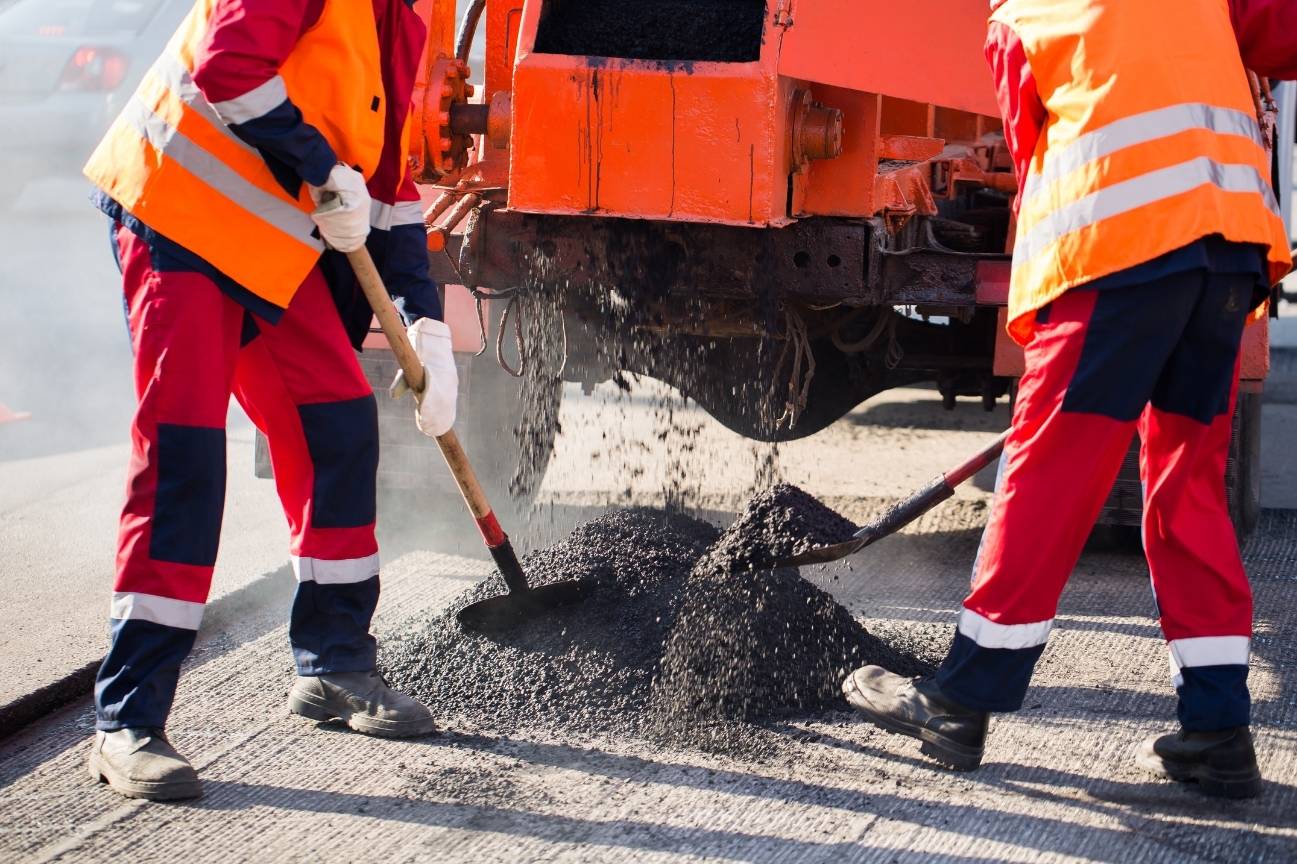
Road construction is often surrounded by a fog of myths and misconceptions. Many people hold beliefs that can lead to misunderstandings about the process, challenges, and technology behind paving and infrastructure development. This article aims to dissect common notions, shedding light on the realities of road construction.
Introduction
Road construction plays a critical role in modern society. It supports our economy, improves transportation, and enhances safety. However, many people cling to myths and misconceptions about the industry. Such misunderstandings can obscure the challenges and technologies involved in paving and infrastructure development.
Some common myths include:
- All roads are built the same way.
- Paving is a quick process.
These assumptions prevent a deeper understanding of the complexities involved in road construction.
Debunking Common Myths
In this article, we will debunk seven common myths related to road construction and paving. By addressing these misconceptions, we aim to provide a clearer perspective on the realities of road development.
Understanding the truth about road construction is beneficial for everyone, whether you are a regular commuter or a community member interested in local projects. It can foster informed discussions and appreciation of the intricate work behind our roadways.
Let’s uncover these myths and reveal the realities behind this essential industry.
Myth 1: All Roads Are Built the Same Way
Many people assume that road construction follows a one-size-fits-all approach. This couldn’t be further from the truth. Each road project has unique requirements based on several factors, such as location, traffic volume, and environmental conditions.
Variations in Construction Methods
The construction method used for a road is crucial to its longevity and safety. For instance, busy urban streets demand robust materials and techniques, while rural roads may prioritize cost-effectiveness. Engineers tailor these methods to withstand specific traffic loads, soil types, and weather patterns.
In urban areas, you might find roads reinforced with concrete to handle heavy vehicles and higher traffic volumes. Conversely, in less trafficked areas, lighter asphalt might suffice. Understanding these varied approaches helps dispel the myth that all roads undergo identical processes.
Environmental Considerations
Environmental impacts also play a significant role in road construction. Each site presents its challenges, like drainage issues or wildlife habitats. Construction crews must consider these factors to create sustainable infrastructures. For example, they may choose permeable pavement in environmentally sensitive areas. This type of pavement allows water to drain, reducing runoff and protecting local ecosystems.
Safety and Durability Standards
Finally, construction methods must meet strict safety and durability standards. Engineers conduct rigorous research and testing to ensure that the materials and techniques used are up to par. They analyze factors like temperature fluctuations and wear from constant use. This tailored approach guarantees that roads remain safe for public use while staying durable over time.
To sum up, the notion that all roads are built the same is a myth. Road construction is a complex process, dependent on various conditions that demand creativity and expertise. Recognizing the nuances of road building not only enhances our understanding but also illustrates the significant efforts required for quality infrastructure.
Myth 2: Paving is a Quick and Simple Process
Many people believe that paving is a fast and straightforward task. This misconception oversimplifies an intricate process that involves multiple stages. Let’s break down what really happens in the paving world.
The Stages of Paving
Paving starts long before the asphalt hits the ground. Here are the critical phases involved:
Site Preparation: Crews assess the area, clear debris, and ensure proper drainage. Each step here is crucial. Neglecting them can lead to significant problems down the road.
Material Selection: Not all asphalt mixes are the same. Factors such as climate, traffic loads, and soil conditions determine the best type to use. Choosing the right material affects the road’s longevity and maintenance needs.
Actual Paving: After selecting materials, the paving process begins. This includes laying the asphalt in layers. Each layer must be compacted properly to ensure stability. This entire process requires time and expertise.
Curing Time: A Critical Factor
Many people forget about curing time. After laying the asphalt, it needs time to set and harden. Key points to consider include:
- Weather Conditions: Temperature and humidity significantly impact the curing process. Wet weather can delay paving schedules, while hot conditions can expedite it.
The Impact of Weather
Weather fluctuations are not just minor inconveniences in the paving process. Consider the following:
Rain: It can soften the ground, complicating the paving schedule.
Extreme Heat: High temperatures can lead to asphalt damage if not monitored correctly.
Consequently, contractors must always account for weather forecasts. These can affect timelines and project costs significantly.
Myth 3: Asphalt is Always the Best Paving Option
Many people believe that asphalt is the best choice for every paving project. However, this is not always true. In some situations, alternative materials like concrete can offer better results. Understanding when to choose each material is key to successful road construction.
When to Consider Concrete Over Asphalt
Concrete has distinct advantages in specific conditions. For example, if a road experiences heavy traffic or severe weather, concrete may provide superior durability. Additionally, concrete often requires less maintenance over time. Asphalt, while cheaper and quicker to lay, tends to break down faster under intense stress.
Factors Influencing Material Selection
Several factors play a role in selecting paving materials. Consider durability, cost, and environmental impact. When durability is a priority, concrete might be advantageous. It’s often cooler under the sun, which can help reduce heat islands in urban areas. On the other hand, asphalt excels in flexibility and ease of repair.
Cost Considerations
While asphalt can be less expensive upfront, its long-term costs may add up. Frequent repairs and replacements can outstrip the initial savings. In contrast, concrete might have a higher installation cost but can offer significant savings through reduced maintenance. This makes concrete a worthwhile investment in many cases.
Environmental Impact Matters
The choice of material also affects the environment. Asphalt production emits more greenhouse gases compared to concrete. Plus, concrete can be made from recycled materials, further lowering its carbon footprint. For those committed to sustainability, these factors are critical in the decision-making process.
In conclusion, while asphalt is a popular paving option, it is not a one-size-fits-all solution. Understanding the unique needs of each project ensures the best results. By considering all aspects, including durability, cost, and environmental impact, stakeholders can make informed decisions that benefit both infrastructure and the communities they serve.
Myth 4: Road Construction Causes Unnecessary Disruption
Many people believe that road construction leads to constant chaos. This myth stems from a few visible projects where disruption was unavoidable. However, the reality is much different.
Planning and Community Engagement
Before any construction begins, planners conduct extensive community outreach. They assess the needs and concerns of local residents. By involving the community, construction teams can create strategies that minimize disruption. Many projects utilize feedback from locals to adjust schedules and methods, ensuring a smoother process.
For instance, some projects implement night work to lessen the impact on daytime traffic. Others employ detailed signage and local alerts to keep everyone informed. These measures ensure that communities stay connected throughout the project.
Successful Examples of Thoughtful Construction
Consider a recent urban roadway improvement in a major city. The construction team focused on minimizing noise levels and traffic inconveniences. They unveiled a phased approach that allowed for continuous access to local businesses. This strategy received positive feedback from both residents and local storefronts.
In another instance, a highway expansion project worked closely with local authorities. They developed alternate routes and clear communication channels. The result? A project that finished on time and left minimal disruption in its wake.
These examples demonstrate that while some disruption is inevitable, careful planning can significantly reduce it. The idea that all road construction equates to chaos is simply not accurate.
The Bigger Picture
Ultimately, road construction aims to enhance infrastructure for everyone’s benefit. While the process may temporarily affect daily routines, the long-term advantages far outweigh these short-lived inconveniences. Better roads lead to reduced traffic congestion, improved safety, and stronger local economies.
So, while some disruption may occur, it’s crucial to recognize the planning efforts behind successful construction. Understanding this can transform complaints into appreciation, helping communities embrace necessary improvements.
Myth 5: Infrastructure Myths Are Just Historical Tales
Many people believe that outdated beliefs about road construction don’t matter today. This assumption is misleading. While some myths may seem like relics of the past, they continue to shape public perception and policy regarding infrastructure.
The Impact of Legacy Myths
Old myths often create misconceptions about funding, maintenance, and progress. Here are some key points to consider:
- Unlimited Public Funds: The idea that all infrastructure projects receive unlimited funding can lead to frustration among citizens.
- Budget Constraints: In reality, most projects rely on carefully allocated budgets. Understanding these funding sources is crucial for appreciating the constraints construction teams face.
Maintenance and Its Misunderstood Depth
Another common myth suggests that once a road is built, it needs only minimal ongoing maintenance. This idea is fundamentally flawed. Here’s why:
- Continuous Care Needed: Roads require persistent care and investment over their lifespan.
- Misinformation Consequences: Ignoring this fact can lead to misinformation about community resources and priorities.
- Safety and Longevity: As infrastructure ages, regular evaluations and upgrades are essential for safety and longevity.
Technological Advancements vs. Old Beliefs
Technological advancements in construction have far exceeded what many people imagine. Consider the following:
- Improved Efficiency and Sustainability: Modern techniques foster greater efficiency and sustainability in construction projects.
- Resistance to Innovations: Outdated beliefs can hinder the acceptance of these innovations. Some communities resist smart materials and advanced methods due to fears rooted in misconceptions.
Educating the Public
Educating the public about these advancements is vital for smoother project implementation.
The Role of Public Education
To combat these myths, we need increased public awareness. Consider the following approaches:
- Transparent Communication: Honest communication fosters trust and support for infrastructure initiatives.
- Community Outreach:
- Workshops,
- Informational websites, and
- Outreach programs
These efforts can help demystify road construction and pave the way for more informed discussions.
Understanding the truth behind these myths can strengthen community ties. It leads to better support for essential projects. By shedding light on misconceptions, we empower citizens to engage actively in conversations about their infrastructure’s future.
Myth 6: Road Construction Projects are Always Over Budget
Many people believe that road construction projects always exceed their budgets. This myth can create distrust among the public and stakeholders. However, the reality is quite different.
The Role of Planning
Effective planning is crucial in managing budgets for road construction. Project managers spend considerable time preparing detailed budgets and timelines. They take into account everything from material costs to labor expenses. This meticulous approach helps prevent budget overruns.
Additionally, modern project management tools enhance budget control. Software can provide accurate estimates and track expenses in real-time. This means any discrepancies can be addressed immediately, keeping projects on track.
Regulatory Oversight
Regulations also play a key role in ensuring projects stay within budget. Government entities often require comprehensive reviews before funding approval. They assess cost estimates thoroughly and demand accountability throughout the project’s lifecycle.
When projects are subject to strict regulations, it minimizes the chances of overspending. This regulatory oversight fosters a culture of transparency and responsibility among construction crews.
Technology Enhancements
Technological advancements also contribute to staying within budget. Innovations such as Building Information Modeling (BIM) allow for detailed simulations. These simulations help identify potential issues before they escalate, thus saving both time and money. Moreover, using materials efficiently lowers waste and reduces costs.
Real-World Examples
Several projects exemplify successful budget management. For instance, the I-405 freeway expansion in California managed to stay within budget despite initial doubts. A robust planning phase, paired with community involvement, allowed for effective communication and resource allocation.
Additionally, many local governments have embraced similar strategies. They allocate funds wisely, prioritizing essential repairs and upgrades. This forward-thinking approach ensures that public funds are used effectively.
Myth 7: All Construction Workers Are Unskilled Laborers
The stereotype that all construction workers lack skills is outdated and misleading. In reality, the field of road construction requires a variety of expertise and specialized training.
Training and Certifications
Many construction workers undergo extensive training. They obtain various certifications that demonstrate their proficiency in specific skills. For instance, asphalt paving requires knowledge about material properties, techniques, and safety protocols. Workers must understand the intricacies of both tangible and intangible elements involved in the process.
The Role of Technology
Today’s construction environment embraces advanced technology. Workers utilize sophisticated tools and software, altering traditional methods of paving. This technology also demands a higher skill level. For example, operators of heavy machinery need to master both the equipment and its safety standards. Thus, the workforce is more skilled than many perceive.
Varied Expertise Across the Industry
Road construction also involves diverse roles. Engineers, project managers, and skilled tradespeople all contribute to a successful project. Engineers design the road layouts, while project managers oversee timelines and budgets. Skilled tradespeople, such as electricians and machinists, play vital roles in bringing the project to life. Each position requires a unique skill set, emphasizing the collaborative nature of construction efforts.
The Importance of Expertise
The importance of expertise in road construction cannot be overstated. Skilled laborers ensure the safety and durability of the roads we rely on daily. Their work impacts everything from transportation efficiency to community connectivity.
In conclusion, labeling all construction workers as unskilled does a disservice to an industry that is ever-evolving. Construction workers are essential to improving our infrastructure and play a crucial role in modern society. By debunking this myth, we gain a greater appreciation for the skills that fuel the construction industry and help pave the way for better roads.
The Future of Road Construction: Embracing Innovations
Road construction is at the brink of a technological revolution. Emerging innovations are reshaping how we design, construct, and maintain our roadways. These advancements challenge many persistent myths surrounding road construction and pave the way for smarter, more efficient projects.
The Rise of AI in Construction
Artificial Intelligence (AI) is transforming construction management. AI tools optimize scheduling, enhance safety protocols, and automate routine tasks. For instance, predictive analytics can forecast project timelines, significantly reducing delays. By using AI, construction teams can better allocate resources and minimize waste, turning the myth that all projects fall behind schedule on its head.
Smart Materials: A Game Changer
The development of smart materials is another exciting frontier. These materials can adapt to changes in temperature and traffic load. For example, certain asphalt mixtures incorporate recycled materials, reducing environmental impact. Other innovations include self-healing concrete that repairs small cracks over time. Such advancements indicate that paving methods are not static but can evolve to meet modern demands and sustainability goals.
Sustainability Takes Center Stage
Sustainable practices are becoming integral to road construction. The industry increasingly prioritizes eco-friendly methods to reduce its carbon footprint. Techniques like utilizing recycled aggregates or applying warm-mix asphalt help lessen environmental impact. With a focus on sustainability, the outdated belief that construction harms the environment is fading. Instead, today’s projects strive to create greener, more efficient infrastructure.
Enhancing Community Engagement
Modern road construction projects also emphasize community involvement. Advanced project planning encourages input from local residents. By using technology such as virtual reality, community members can visualize proposed changes and provide feedback. This approach combats the myth that construction teams ignore local concerns. Instead, it fosters collaboration, ensuring that the final designs serve the best interests of the community.
Conclusion: Embracing the Future
The future of road construction is bright. Innovations in AI, smart materials, and sustainable practices are revolutionizing the field. These advancements not only enhance efficiency but also create a more informed perspective about the realities of road construction. Embracing these technologies will help dispel long-held myths, paving the way for a greater understanding of our infrastructure needs.
Conclusion
In this article, we tackled the myths surrounding road construction and paving. Each myth holds a grain of truth, but many misinterpret the realities of this crucial industry.
First, we explored the misconception that all roads are built the same way. Understanding materials and methods varies by location and purpose. Customizations are essential for safety and durability.
Next, we dispelled the oversimplified view that paving is quick and easy. The paving process involves multiple stages, including site preparation and curing. Weather can greatly affect timelines, making it less predictable than some might think.
We also highlighted that asphalt is not always the best choice for every scenario. Alternatives like concrete exist for good reasons, based on factors like durability and cost.
Moreover, we emphasized the planning efforts to minimize disruptions during construction. Successful projects actively engage communities to address concerns, proving that harmony is possible.
The false notion that infrastructure myths are irrelevant today was also debunked. Outdated beliefs can misinform funding and maintenance discussions. Thus, public education remains vital for better community engagement.
We dissected the myth that road construction projects are always over budget. With careful planning and modern technology, many projects come in under budget, showcasing efficiency.
Lastly, we addressed the stereotype of construction workers as unskilled laborers. The truth is, skilled labor plays a crucial role in construction, requiring training and expertise.
Understanding these realities can foster a healthier perspective on road construction. The industry not only connects communities but also enhances their safety and functionality.
Let’s keep the conversation going. Share your insights on road construction and help educate others on the realities behind the myths. Road construction is vital, and informed communities are empowered communities.


