
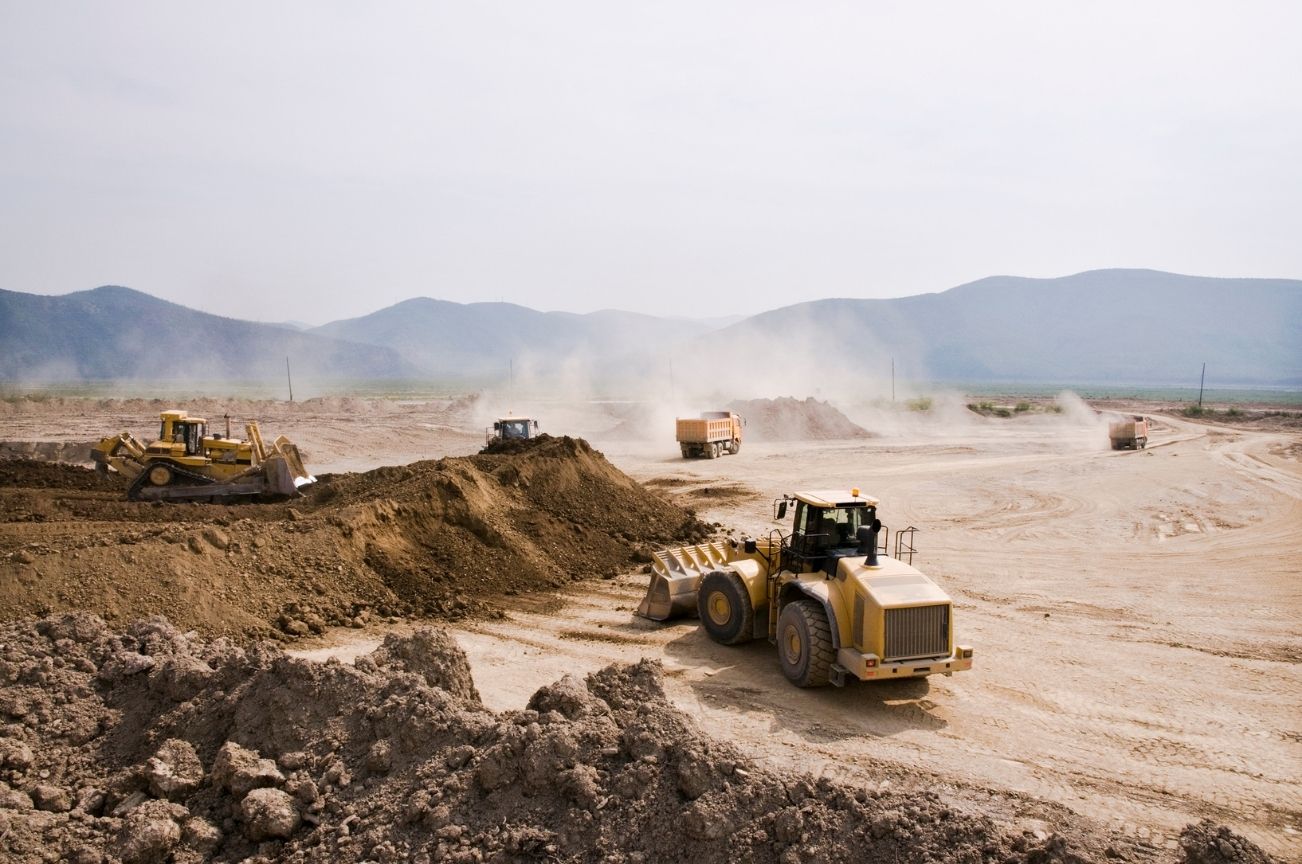
Grading and leveling are critical components in the construction and earthwork industries. Getting it right is essential for project success, but common mistakes can wreak havoc on timelines, budgets, and overall project quality. This guide will walk you through the top mistakes to avoid when grading and leveling with heavy equipment.
Introduction
Grading and leveling serve as the backbone of successful construction and earthwork projects. Without proper grading, even the most grand designs will falter. A solid grading plan ensures your site is prepared for the challenges ahead, providing a stable foundation for construction. This preparation can significantly influence your project’s timeline and budget.
In this article, we’ll spotlight the most common mistakes in grading and leveling, focusing on issues like site assessments, equipment misuse, and soil awareness. You’ll learn how to identify these pitfalls to enhance your project’s efficiency. Whether you’re a seasoned operator or a newcomer, understanding these common missteps can save you time, money, and headaches.
Get ready to dig deep into the details. By recognizing these mistakes, you’ll be better equipped to avoid them and improve your project’s success rate. Let’s roll up our sleeves and get started!
Importance of Proper Grading and Leveling
Proper grading and leveling play a crucial role in construction projects. They set the stage for everything that follows, from infrastructure stability to aesthetic appearance. When executed correctly, grading ensures proper drainage, enhances soil bearing capacity, and meets project specifications. This foundational work reflects the quality of the entire construction effort.
Why Grading and Leveling Matter
At its core, grading involves reshaping the land to achieve specific elevations and slopes. Leveling, on the other hand, ensures surfaces are flat and stable for structures, roads, or landscaping. Precision in these processes directly affects project outcomes. Incorrect elevations, for instance, can lead to water pooling, structural instability, and costly repairs.
Moreover, proper grading supports site accessibility during and after construction. It impacts the efficiency of heavy equipment operations, which rely on stable surfaces for movement. This creates a safe working environment for your team and positively influences overall project timelines.
The Implications of Poor Grading and Leveling
Poor grading and leveling can have serious implications for any construction project. For example, inadequate drainage can cause erosion or water damage. This not only increases costs but also delays timelines due to necessary corrective actions.
Furthermore, failing to meet the specified elevations affects foundations. This might lead to structural issues or even safety hazards down the line. Ultimately, poor grading and leveling can tarnish a contractor’s reputation, as clients prioritize reliability and quality.
“If you think hiring a professional is expensive, wait until you hire an amateur.” This saying holds true in grading and leveling. Investing time and resources in these initial stages sets the groundwork for project success. By prioritizing accurate grading and leveling, you secure the longevity and functionality of your structures while minimizing risks and costs.
Overview of Grading and Leveling Mistakes
Grading and leveling require precision and skill. However, many projects suffer from common mistakes that can derail progress. In this section, we focus on the major pitfalls, highlighting mistakes in grading and leveling. We’ll categorize these errors into three key areas:
- Site grading errors
- Heavy equipment misuse
- General earthwork problems
Site Grading Errors
Site grading errors often stem from a lack of thorough planning or misinterpretation of site plans. Here are the most common mistakes:
Ignoring Natural Topography:
Failing to account for the natural contours can lead to poor drainage and unstable ground. Always ensure your team assesses every aspect of the site before breaking ground.Inadequate Measurements:
Relying on outdated survey data or incorrect elevation readings can cause significant discrepancies. Accurate measurements are critical for establishing proper grades. Validate your inputs with the latest observations to avoid headaches down the line.
Heavy Equipment Misuse
Incorrect heavy equipment usage can lead to costly errors. Key issues include:
Using the Wrong Machinery:
Using inappropriate machinery for specific grading tasks impacts efficiency and results. Ensure operators are knowledgeable about the equipment and its capabilities.Operator Inexperience:
Workers who lack adequate training may mishandle equipment, leading to mistakes in grading. Invest in training programs to boost skill levels and promote safe practices on the job site. Proper training enhances operator confidence and ensures the equipment is utilized effectively.
General Earthworks Problems
General earthworks problems can manifest in various ways. Two major areas of concern are:
Overlooking Soil Conditions:
Each soil type has unique characteristics that affect grading outcomes. Neglecting to analyze soil properties can lead to structural issues later on. Assess the soil before commencing the grading process to prevent complications.Not Adhering to Grading Plans:
Deviating from design drawings can create unforeseen problems, including drainage failures and foundation issues. Staying true to design specifications is essential for maintaining project integrity.
Common Grading and Leveling Mistakes
When tackling grading and leveling tasks, oversights can throw off entire projects. Below, we explore common mistakes that can derail your efforts and how to avoid them.
1. Inadequate Site Assessment
Before you dive into any grading work, conduct a thorough site evaluation. This step is vital for understanding the unique conditions you will face. Common errors here include overlooking drainage patterns, failing to identify underground utilities, and not considering existing vegetation. Each of these factors can influence your grading strategy and final results.
2. Miscalculating Elevations
Getting elevation measurements right is non-negotiable. Whether you’re leveling a road or preparing a foundation, even minor miscalculations can lead to major issues. Use accurate instruments and double-check readings. Always reference the design plans to ensure your elevations align with project specifications. Avoid shortcuts; mistakes can add costly delays.
3. Ignoring Soil Conditions
Soil type plays a crucial role in the grading process. Sandy, clayey, or loamy soils all behave differently under pressure and moisture. Failing to assess soil conditions can lead to inadequate support for structures or unpredictable shifting over time. Always conduct soil tests to determine bearing capacity and moisture levels. This knowledge will guide your decisions and save you from future headaches.
4. Improper Use of Equipment
Heavy equipment is your best ally, provided you know how to use it correctly. Overloading machines or using them inappropriately can cause accidents or inefficient work. Ensure all operators receive proper training and understand the equipment’s limitations. Choosing the right tools for the job can greatly enhance productivity and safety on site.
5. Not Following Grading Plans
Your grading plan is your roadmap. Deviating from it can result in unforeseen problems. Make sure all team members understand the design specifications. Regularly reference the grading plan throughout the project to ensure compliance. Ignoring this step can lead to expensive redesigns and delays.
6. Overlooking Drainage Considerations
Effective drainage is a cornerstone of successful grading. Poorly drained sites can lead to erosion, flooding, and foundation issues. Always assess rainfall patterns and existing drainage systems before you begin grading. Incorporate proper drainage solutions in the design and execution phases to avoid complications later.
7. Failing to Conduct Regular Inspections
Grading and leveling aren’t one-and-done tasks. Regular inspections are crucial to catch issues early on. Establish an inspection schedule that aligns with project milestones. This proactive approach helps identify problems while they are still manageable, avoiding extensive repairs down the line.
8. Neglecting Communication with Team Members
Communication is key in any team environment. On construction sites, miscommunication can lead to errors and safety risks. Hold regular meetings to discuss progress and challenges. Encourage open dialogue among team members. This fosters a collaborative environment where everyone stays on the same page.
By avoiding these common grading and leveling mistakes, you can enhance project outcomes significantly. Awareness and proactive measures are your best tools for success in grading tasks.
The Consequences of Grading and Leveling Mistakes
Mistakes in grading and leveling can have far-reaching consequences. These errors can derail a project in various ways, impacting timelines, budgets, and even safety measures. Understanding these implications is vital for anyone involved in construction and earthworks.
Cost Implications
Mistakes often lead to unexpected costs. Below are some consequences of grading errors:
- Rework Costs: If the grading process miscalculates elevation, rework becomes necessary. This adds labor costs and delays project completion.
- Equipment and Materials: Revisiting equipment setups and material purchases can further inflate budgets.
- Profit Loss: Ultimately, these financial drainers can cut deep into profits, threatening project viability.
Project Delays
Delays in construction affect everyone involved. When grading mistakes arise, crews may need to halt work until the issues are resolved. Consider the following effects:
- Disruption of Work: This disruption often leads to a chain reaction, delaying subsequent phases and impacting overall timelines.
- Escalating Delays: A well-planned project can quickly spiral into an extensive delay due to overlooked grading issues.
Compromised Safety
Safety is crucial when discussing grading mistakes. Poorly leveled grading can lead to unstable foundations, which increases the risk of accidents on-site. Specific risks include:
- Soil Erosion: Without proper grading, soil erosion or water pooling can occur.
- Worker Safety: Such hazards jeopardize not only equipment and structures but also the safety of workers on-site.
Structural Integrity Concerns
Grading and leveling mistakes can compromise the very structures built on them. Key concerns include:
- Foundation Issues: An improperly leveled site may lead to structural failures down the line.
- Visible Damage: This may manifest as cracks in foundations, misaligned walls, or worse.
- Project Integrity: Ultimately, the integrity of the entire project hinges on getting grading and leveling right.
Preventative Measures and Best Practices
To avoid mistakes in grading and leveling, adopting preventative measures is essential. Implementing best practices increases project efficiency and safeguards your investment. Below are several key strategies to enhance your grading and leveling efforts.
1. Invest in Training
Training is crucial for both operators and site workers. Knowledgeable workers are equipped to handle equipment properly, which reduces miscalculations. Invest in hands-on training programs and certifications that focus on heavy machinery and site management. Consider these resources:
- Local community colleges offering specialized courses.
- Online platforms providing certifications in heavy equipment operation.
- Workshops from equipment manufacturers.
These programs can deepen understanding and enhance skills.
2. Adopt Modern Technology
Incorporating modern technology can significantly streamline grading processes. Tools like GPS and laser grading systems help ensure precision. By using this technology, operators can achieve:
- Greater accuracy in measuring elevations.
- Efficient grading schedules, minimizing time wasted on adjustments.
- Real-time data access for quick decision-making.
Investing in technology not only reduces mistakes but also speeds up project completion.
3. Prioritize Team Communication
Effective communication among team members is vital for successful grading projects. Establish clear lines of communication to prevent misunderstandings and errors. Consider implementing:
- Daily briefings to discuss priorities and tasks.
- Digital communication tools like project management software.
- Regular check-ins to provide updates on progress and challenges.
A collaborative team creates a cohesive working environment that promotes accountability.
4. Conduct Thorough Pre-Work Planning
Proper planning before starting grading work can significantly impact project outcomes. A detailed grading plan should cover all aspects, including:
- Site assessments to identify potential challenges.
- Clear elevation benchmarks and marked grading lines.
- Drainage considerations to manage water flow efficiently.
Taking time to create a comprehensive grading plan minimizes the risk of errors and miscommunication, ensuring that everyone is on the same page.
Conclusion
Grading and leveling are essential in the earthwork and construction industries. However, mistakes can derail projects quickly. In this article, we discussed key errors such as inadequate site assessment, miscalculating elevations, and ignoring soil conditions. Each mistake can lead to budget overruns, extended timelines, and safety risks.
Failing to follow grading plans and overlooking drainage considerations can create major issues. Regular inspections and effective communication among team members also play a crucial role in project success. When these aspects are neglected, the consequences can be significant.
To prevent these common mistakes, focus on continuous education and training. Investing in operator skills and familiarizing them with modern technology can yield better results. Thorough pre-work planning is another critical step. Leaving nothing to chance helps set the stage for successful grading and leveling.
Ultimately, attention to detail makes all the difference. It can turn potential pitfalls into opportunities for success. By learning from these mistakes, you can enhance your project outcomes and contribute to a smoother construction process. Remember, improvements in your practices can result in substantial benefits down the line.


