
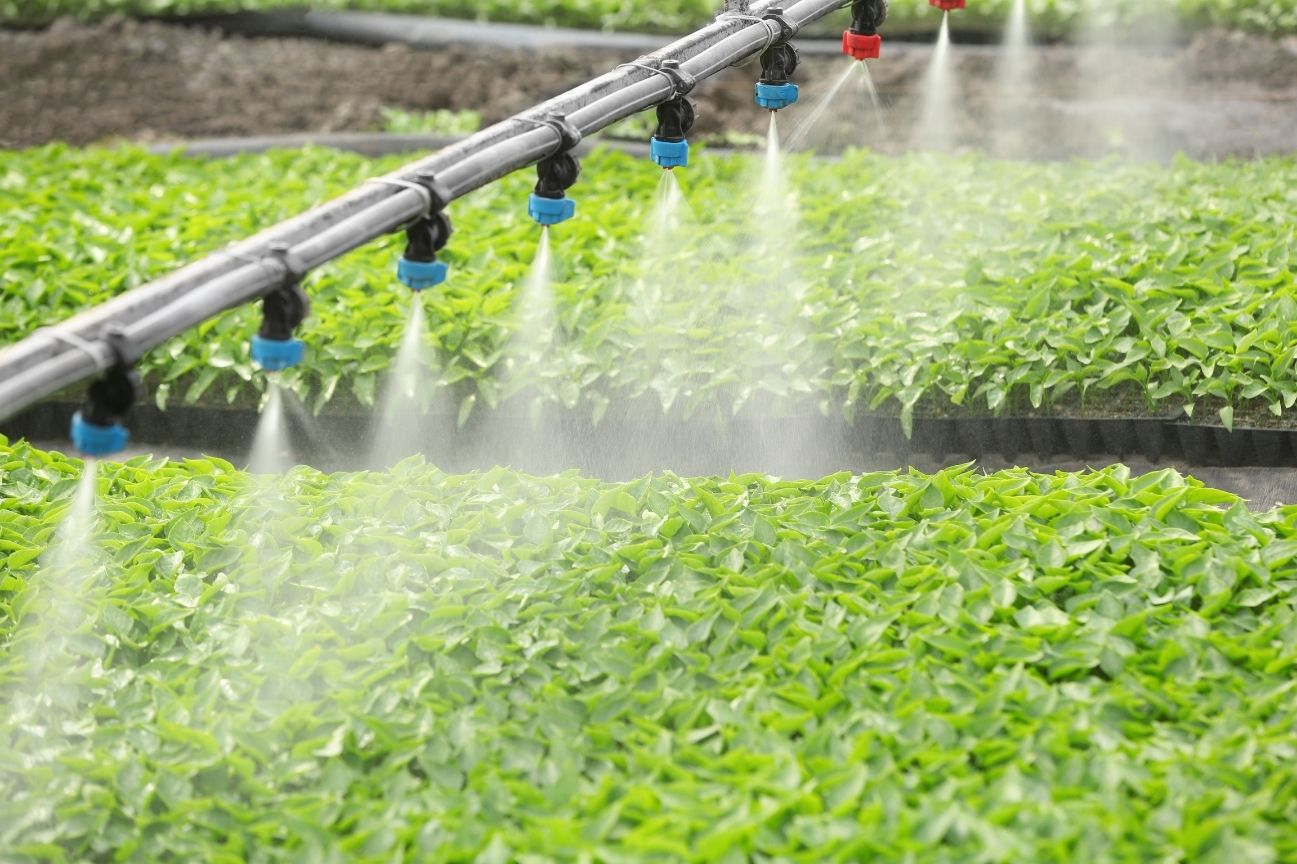
Water is a critical resource in agriculture, and managing it efficiently can make or break a farm. As climate patterns shift and the global demand for food increases, innovative water management systems are more essential than ever. The right systems not only optimize water usage but also contribute to enhancing crop yield and sustainability. Here’s a look at ten innovative approaches to water management in farming.
Introduction
Water management plays a vital role in agriculture. Without a proper system, farms can quickly suffer during droughts or floods. Efficient water management not only conserves water but also increases crop yields and boosts sustainability. It’s crucial for farmers to adopt innovative approaches to ensure their operations are resilient against climate change.
The Importance of Innovative Water Management Systems
Innovative water management systems are gaining traction in the agricultural community. These systems combine technology with eco-friendly practices to monitor and control water usage. Here are some key benefits of adopting these systems:
Conservation:
- Minimizes waste and maximizes water usage.
Increased Yields:
- Optimizes water delivery to crops, improving growth rates.
Environmental Impact:
- Reduces the carbon footprint of agricultural practices.
Smart Solutions to Old Challenges
Methods like drip irrigation and rainwater harvesting offer smart solutions to persistent challenges. By utilizing these advancements, farmers can:
Lower Costs:
- Reduce water and energy expenses.
Improve Crop Resilience:
- Ensure plants receive the optimal amount of water.
Support Sustainability:
- Promote responsible use of resources for future generations.
As farming evolves, so does the need for smarter water management. Exploring these innovative methods helps farmers maintain productivity while conserving this precious resource. Embracing new technologies will not only secure their livelihoods but also contribute to a more sustainable agricultural future.
1. Drip Irrigation Systems
Drip irrigation is a smart method for delivering water directly to the roots of plants. This system minimizes water loss by only applying moisture where needed. It consists of a network of tubing with emitters that release water slowly. This means your plants get just the right amount without wasting a drop.
Benefits of Drip Irrigation
Drip irrigation offers numerous advantages that enhance farming efficiency. Here are some key benefits:
- Water Efficiency: Reduce water usage by up to 50% compared to traditional irrigation methods.
- Healthier Plants: Directing water straight to the roots promotes stronger, healthier plants.
- Higher Yields: Better access to water can lead to improved crop production.
Additionally, drip irrigation provides further benefits:
- Preventing Soil Erosion: The system helps stabilize soil, preventing loss.
- Minimizing Weed Growth: Targeted watering reduces moisture in unwanted areas.
- Reduced Evaporation and Runoff: More water remains available for crops.
Versatility is another strong point. Drip irrigation is suitable for various types of crops, from row crops to orchards. You can customize the system to meet specific water needs. This flexibility is especially beneficial in areas facing water scarcity.
Success Stories and Examples
Many farms worldwide have successfully adopted drip irrigation. Here are a few notable examples:
- California Vineyard: A vineyard in California used drip systems to boost grape production while decreasing water use.
- Israeli Farmers: Farmers in Israel have become pioneers in this technology, transforming arid land into productive farms through efficient irrigation practices.
- Oklahoma Vegetable Farm: A family-run vegetable farm in Oklahoma implemented drip irrigation and experienced a 40% increase in crop yield annually.
These examples highlight the significant impact of innovative water management systems. Drip irrigation can greatly enhance farming operations, conserve water, and maximize productivity.
Investing in drip irrigation means not only saving water but also securing the future of your farm. This system exemplifies resilience in an unpredictable climate, ensuring you remain competitive in agricultural sustainability.
Rainwater Harvesting
Rainwater harvesting involves collecting and storing rainwater for agricultural use. This sustainable method can significantly reduce dependence on groundwater sources. Additionally, it helps preserve this vital resource during dry spells.
Methods of Collection
Farmers can employ various techniques for effective rainwater harvesting. Some common methods include:
- Rooftop Collection: Install gutters and downspouts to direct rainwater from rooftops into storage tanks.
- Surface Runoff Capture: Create contours or ditches to channel runoff into ponds or reservoirs.
- Rain Gardens: Designated areas that absorb excess rainwater, often filled with native plants that thrive on surface runoff.
Each method varies in complexity and cost, allowing farmers to choose what best suits their needs.
Benefits of Reducing Dependency on Groundwater
Using rainwater for irrigation offers multiple benefits, such as:
- Sustainability: Relying on rainwater minimizes the strain on groundwater reserves, which are often dwindling due to overuse.
- Cost-Effectiveness: Rainwater is free to collect, reducing water bills and lowering overall operational costs for farms.
- Quality of Water: Rainwater is typically cleaner than groundwater, which can be contaminated with salts or chemicals.
Innovative Technologies in Rainwater Harvesting
Several advancements make rainwater harvesting even more efficient:
- Smart Sensors: Monitor rainfall and storage levels, prompting effective use of rainwater.
- Filtration Systems: Ensure collected water remains free of debris, making it safe for irrigation.
- Mobile Apps: Enable farmers to track rainwater usage and forecast the best times to use it, enhancing efficiency.
Implementing rainwater harvesting systems is essential for modern farming. Adopting innovative methods can lead to significant improvements in both yield and sustainability. As climate change continues to impact water availability, these systems provide a proactive approach to ensuring a reliable water supply.
3. Smart Irrigation Controllers
Smart irrigation controllers are revolutionizing how farms manage their water resources. These advanced systems make irrigation more precise and efficient. Instead of relying on predetermined schedules, smart controllers use real-time data to adjust watering based on current weather conditions, soil moisture, and plant needs.
Enhancing Efficiency with Data
At the heart of smart irrigation technology are sensors and data analytics. These devices monitor various factors, including:
- Temperature
- Humidity
- Rainfall
They ensure that crops receive the right amount of water, effectively reducing waste. By limiting overwatering, farmers can save on water costs while promoting healthier plants.
Case Studies Showcasing Success
Many farms have successfully implemented smart irrigation controllers, and the results speak for themselves. Here are two noteworthy examples:
California Vineyard: A vineyard reported a 30% reduction in water use after installing a smart system. The technology allowed for tailored irrigation based on each plant’s specific requirements, leading to improved grape quality and yields.
Vegetable Farm: Another farm utilized smart controllers to achieve a significant decrease in water consumption. By making data-driven decisions, they optimized their irrigation schedule and minimized water runoff.
These examples demonstrate the clear impact of smart irrigation systems on farm productivity and water savings.
4. Subsurface Irrigation
Subsurface irrigation is an efficient method that delivers water directly to the roots of plants. Unlike traditional surface watering methods, this system operates below the soil surface, allowing water to reach the plant roots with minimal evaporation. By strategically placing pipes or tubes under the soil, farmers can optimize water usage and enhance crop health.
Benefits of Subsurface Irrigation
One major advantage of subsurface irrigation is improved soil moisture levels. This system keeps the moisture exactly where it’s needed, promoting stronger root development. Healthy roots lead to healthier plants, which can significantly boost crop yield. Additionally, subsurface irrigation reduces weed growth since the surface soil remains drier. Fewer weeds mean less competition for resources, increasing overall farm productivity.
Another notable benefit is water conservation. This method can cut water usage by as much as 30% compared to traditional irrigation systems. Farmers can save money on water costs while using significantly less resource. Furthermore, subsurface irrigation can help prevent soil erosion and nutrient leaching, thus preserving the land’s quality over time.
Real-World Applications
Many farms worldwide have successfully implemented subsurface irrigation systems. For example, a vineyard in California adopted this method and reported a remarkable increase in grape quality and yield. With precise water delivery, the vineyard maximized its production while minimizing water waste.
Similarly, a cotton farm in Texas used subsurface irrigation to overcome drought conditions. The results were astounding, with improved crop resilience and reduced irrigation needs. Farmers embracing this technology are not only enhancing their productivity but also promoting sustainable practices in agriculture.
By implementing subsurface irrigation, farmers can enjoy numerous benefits while addressing the challenges of water scarcity. This innovative system is undoubtedly a game changer in the realm of water management.
5. Soil Moisture Sensors
Soil moisture sensors play a crucial role in modern agriculture. They monitor soil water levels in real time, ensuring that crops receive precisely what they need. These sensors help prevent overwatering and underwatering, which can lead to crop stress or wastage.
Understanding Soil Moisture Sensors
Soil moisture sensors measure the water content in the soil. They come in various types, including resistive, capacitive, and tensiometric sensors. Each type operates differently, but they all share a common goal: to provide accurate water readings. This data allows farmers to make informed decisions about irrigation.
Integration with Irrigation Systems
Integrating soil moisture sensors with irrigation systems enhances water management significantly. When the soil moisture level drops below a threshold, the system can trigger irrigation automatically. This kind of precision farming minimizes water usage, boosts crop yield, and saves time. Modern systems can even be synced with weather forecasts, allowing for even smarter water usage.
Benefits of Precision Agriculture
Precision agriculture focuses on maximizing efficiency. Soil moisture sensors are a vital component of this approach. They enable farmers to:
- Optimize water use
- Reduce costs
- Improve crop health
Having timely and accurate data means farmers can respond proactively. By reacting to real-time conditions, they can maintain ideal soil moisture levels throughout the growing season.
Farms that have adopted soil moisture sensors have reported remarkable results. For instance, a vineyard in California implemented these sensors and noted a 30% reduction in water usage. At the same time, grape quality improved due to better irrigation scheduling.
In conclusion, soil moisture sensors are a game-changer in agriculture. They provide valuable insights and help optimize water management. As farmers face increasing challenges from climate change and water scarcity, investing in these technologies is critical for sustainable farming practices.
6. Automated Irrigation Systems
Automated irrigation systems have revolutionized water management in farming. These systems use technology to manage irrigation schedules, ensuring crops receive the right amount of water at the right time. By automating the process, farmers can save time and resources while improving crop health.
What Are Automated Irrigation Systems?
Automated irrigation systems utilize sensors, timers, and automated valves to control water distribution. They can be programmed to operate based on specific criteria, such as soil moisture levels or weather conditions. This high level of automation reduces the need for constant monitoring and manual labor, making it a game changer for many farms.
Benefits of Automation
Water Conservation: Automated systems significantly reduce water waste. They deliver water only when necessary, preventing over-irrigation.
Increased Efficiency: Farmers can irrigate larger areas in less time. Automation allows for simultaneous watering of multiple sections, leading to more efficient operations.
Labor Savings: With automated systems, less manual labor is required for irrigation tasks. This freedom allows farmers to focus on other critical areas of their operations.
Optimal Crop Health: By providing precise amounts of water, automated irrigation helps maintain ideal conditions for crop growth. This consistency leads to healthier plants and improved yields.
Successful Implementations
Several farms have successfully integrated automated irrigation systems into their operations. For instance, a vineyard in California uses moisture sensors to trigger irrigation only when the soil is dry. This method has led to a 30% reduction in water usage while maintaining grape quality.
In another case, a vegetable farm in Texas implemented a smart irrigation system connected to local weather forecasts. This system adjusts watering schedules based on rainfall predictions. As a result, the farm has seen enhanced crop health and minimized water waste.
7. Greywater Recycling
Greywater refers to water from sinks, showers, and washing machines. Unlike blackwater, which contains human waste, greywater is relatively clean and can be treated for reuse. Implementing greywater recycling can significantly reduce a farm’s water usage, offering a sustainable solution for irrigation and other agricultural needs.
Understanding Greywater
Recycling greywater involves collecting it, treating it safely, and reusing it. This practice helps conserve fresh water, a vital resource in farming. Since greywater accounts for a substantial portion of household wastewater, utilizing it can dramatically lower a farm’s dependence on conventional water sources.
Treatment Systems
There are various systems available for treating greywater. Some common methods include:
- Filtration Systems: Simple filters can remove debris and particles.
- Biological Treatment: This method uses natural processes to break down contaminants.
- Disinfection: Advanced methods may involve UV light or chlorination to ensure the water is safe for use.
Farmers can choose a treatment system that fits their scale and needs. Many systems are user-friendly and can be integrated into existing infrastructure.
Sustainable Implementation
For effective greywater recycling, practices should comply with local regulations. Here are some simple steps to implement greywater systems sustainably:
- Designate Collection Areas: Create designated drainage areas to channel greywater effectively.
- Use Safe Detergents: Choose biodegradable and non-toxic products to minimize harmful chemicals.
- Regular Maintenance: Check and maintain systems to prevent clogs or contamination.
Many farmers have successfully adopted greywater recycling. For example, a vineyard in California uses treated greywater to irrigate its crops during dry months. This practice not only conserves water but also maintains soil moisture, fostering healthy grape production.
In summary, greywater recycling presents a vital opportunity for farms to enhance water management. By treating and reusing this resource, farmers can support their crops and contribute to sustainable agricultural practices. As water scarcity becomes a growing concern, embracing greywater solutions is a smart move for any farm looking to thrive.
8. Water-efficient Crop Varieties
Choosing the right crop is crucial for effective water management on your farm. Water-efficient crop varieties minimize water usage while maintaining or increasing yield. This approach can significantly contribute to sustainable agriculture.
The Importance of Selecting Water-efficient Crops
Water scarcity is becoming a serious challenge. As farmers, it’s vital to adapt practices that respect our water resources. By opting for water-efficient crops, you reduce your water footprint. This selection enhances resilience against drought and fluctuating climate conditions.
Overview of Existing Water-efficient Crops
Several crop varieties stand out for their water efficiency. Here are a few examples:
Drought-resistant Corn: This variety requires less water than traditional corn. It maintains yield even in low moisture conditions.
Teff: An ancient grain, teff grows well in arid climates. It needs minimal water and provides high nutritional value.
Sorghum: Known for its resilience, sorghum thrives in dry conditions. It utilizes water efficiently, making it a smart choice for water-scarce regions.
Millets: These are hardy crops that grow quickly. Millets need less water and can survive on rain-fed conditions.
Future Trends in Breeding for High Water Efficiency
Research is ongoing to develop even more water-efficient crop varieties. Scientists are exploring genetic modifications and traditional breeding. The goal is to create crops that can withstand drought while providing high yields. As a result, these innovations will offer farmers greater flexibility in choosing which crops to plant.
Adopting water-efficient crop varieties not only benefits your farm’s bottom line but also contributes positively to the environment. By using fewer resources, you play a role in promoting sustainability in agriculture. Now is the time to consider these innovative options for a more resilient farming future.
9. Aquaponics Systems
Aquaponics combines aquaculture (raising fish) and hydroponics (growing plants in water). This system creates a symbiotic relationship. Fish waste provides essential nutrients for the plants. In return, the plants help filter and clean the water for the fish. This loop enhances water management and reduces waste.
Benefits of Aquaponics
One major benefit of aquaponics is water efficiency. Traditional farming uses gallons of water per crop. In contrast, aquaponics can reduce water usage by up to 90%. This is crucial as water scarcity grows more pressing worldwide.
Additionally, aquaponics eliminates the need for chemical fertilizers. By relying on natural fish waste, farmers cultivate healthier and chemical-free crops. This aspect not only benefits the yield but also caters to consumer demand for organic produce.
Sustainable Aspects and Crop-Fish Synergy
Sustainability plays a significant role in aquaponics. This method promotes a closed-loop system, minimizing resource depletion. It uses less land, making it suitable for urban farming initiatives. Moreover, aquaponics systems can create biodiversity. Fish species like tilapia or trout can thrive alongside various vegetables and herbs, enhancing overall productivity.
Case Studies of Successful Aquaponics Farms
Several farms around the globe have effectively implemented aquaponics. For example, a urban farm in Chicago successfully employs this system to grow lettuce, herbs, and fish in an environmentally friendly manner. The farm not only provides fresh produce to local markets but also educates the community about sustainable practices.
Another farm in Thailand integrates traditional aquaculture with modern technology. Farmers raise fish while cultivating rice and vegetables in the same space, optimizing water usage and providing a diverse range of products.
Adopting aquaponics could transform the future of farming. By integrating these methods, farmers can significantly enhance their water management practices while promoting ecological sustainability.
Rain Gardens and Bioswales
Rain gardens and bioswales are innovative landscape solutions designed to manage stormwater runoff efficiently. These systems not only enhance the aesthetic value of a farm but also promote sustainable water management.
What Are Rain Gardens and Bioswales?
Rain gardens and bioswales serve distinct yet complementary purposes:
Rain Gardens
- A shallow, planted depression
- Collects rainwater runoff from impervious surfaces (like roofs and driveways)
Bioswales
- Engineered channels filled with vegetation
- Designed to slow down water flow and filter pollutants
Both systems aim to mimic natural hydrology. They allow water to absorb into the ground instead of overwhelming drainage systems.
Managing Runoff
One of the main benefits of rain gardens and bioswales is their effectiveness in managing stormwater runoff. During rainfall, these systems capture excess water by:
- Allowing water to infiltrate into the soil,
- Reducing erosion,
- Preventing flooding.
This process protects nearby crops and improves water quality by filtering harmful pollutants.
Enhancing Soil Water Retention
Rain gardens and bioswales also enhance soil water retention. They facilitate gradual absorption of water, which nourishes plant roots. As a result, crops benefit from better moisture availability, leading to:
- Healthier growth,
- Potentially higher yields.
Environmental Benefits
The environmental benefits of rain gardens and bioswales extend beyond just water management. Key advantages include:
- Habitat creation: They support beneficial insects and birds.
- Mitigation of the heat island effect: These systems help cool agricultural areas.
By strategically placing rain gardens and bioswales, farmers can enhance their farm’s biodiversity while improving overall sustainability.
Integrating into Agricultural Practices
Integrating rain gardens and bioswales into existing farming practices can be straightforward. Here are a few tips for effective design:
- Assess specific needs: Tailor systems to fit your unique farm layout.
- Position near irrigation ditches: This allows collected runoff to be reused.
This approach conserves water and promotes responsible usage throughout the farm.
Conclusion
In today’s agricultural landscape, efficient water management is crucial for success. The ten innovative water management systems we’ve explored highlight different strategies that farmers can employ. From drip irrigation to rain gardens, each method offers unique benefits, enhancing productivity while conserving precious water resources.
Implementing these technologies not only boosts crop yields but also contributes to sustainability. For instance, smart irrigation controllers ensure water meets actual plant needs, reducing waste. Similarly, greywater recycling allows farmers to make the most out of available resources, turning potential waste into a valuable asset.
As climate change continues to impact weather patterns, adopting these systems becomes even more vital. Farmers have the opportunity to leverage innovation for not just efficiency, but resilience against future uncertainties.
I encourage you to assess your current water management practices. Consider integrating these innovative strategies to optimize your operations. By moving towards these sustainable solutions, you’ll not only improve productivity but also support the environment.
Explore funding options and resources available to you. Embrace the future of farming by incorporating these water management systems today. The benefits are numerous, and the impact on your farm’s success can be significant.


