
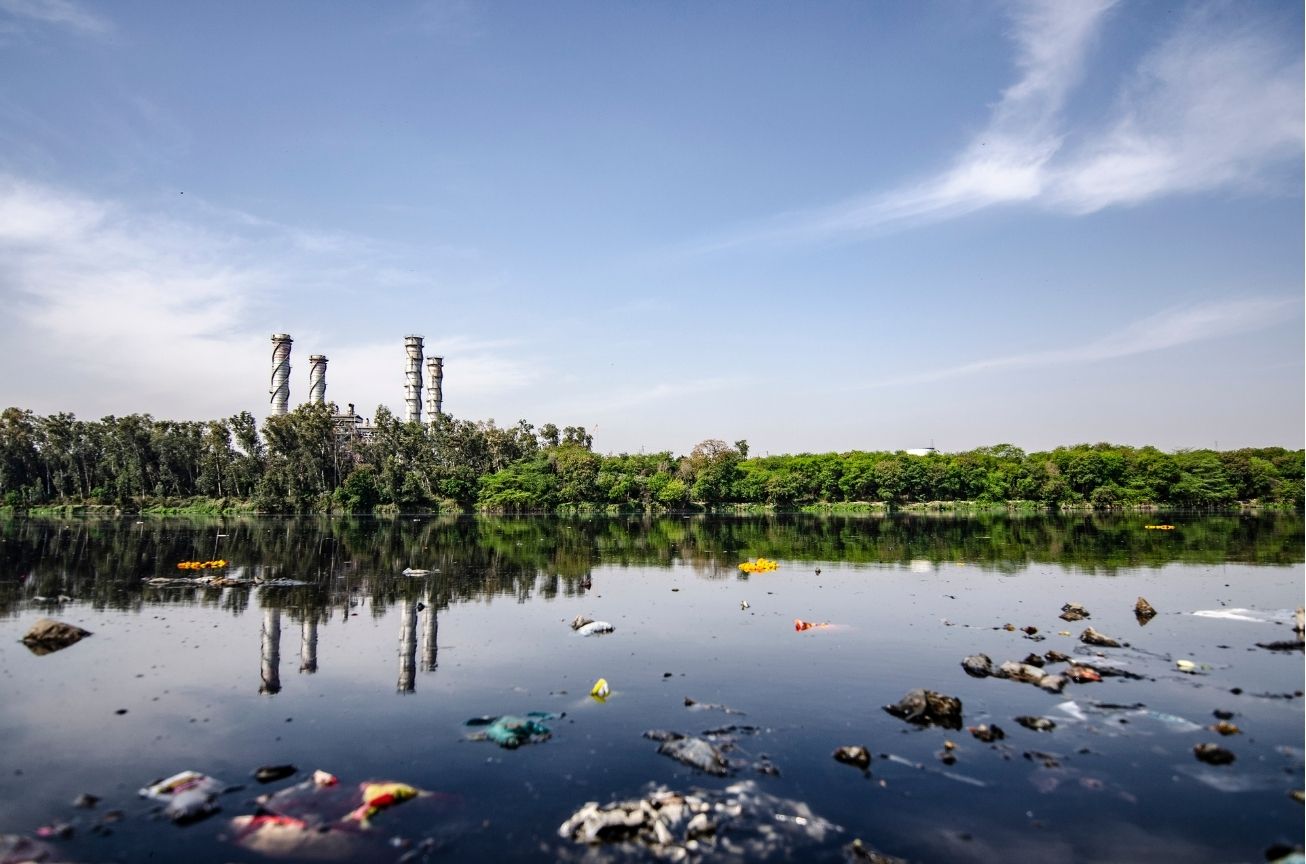
In today’s industrial landscape, waste management isn’t just a necessity; it’s a critical component that can define a company’s operational efficiency and environmental responsibility. With stricter regulations and increasing public awareness, gaining insights into waste hauling practices is more essential than ever. This guide aims to illuminate the often-overlooked aspects of waste hauling, helping businesses improve their processes and make sustainable choices.
Introduction
Waste hauling plays a vital role in modern industrial operations. It addresses not only the removal of byproducts but also the broader implications for the environment. With stricter regulations and heightened public awareness, companies must prioritize effective waste management. Understanding this concept can help businesses streamline their operations and bolster their reputation.
So, what do we mean by waste hauling? Simply put, it involves the collection, transportation, and disposal of waste generated by various industries. This encompasses everything from manufacturing byproducts to sometimes hazardous materials. Industrial waste is a broad term that includes any leftover materials from production processes. On the other hand, contaminated waste refers to materials that may pose a risk to health or the environment and require special handling and disposal techniques.
The complexity of waste hauling varies significantly based on the type of waste. For example, hazardous waste necessitates strict compliance with federal and state regulations. This includes proper labeling, containment, and disposal procedures to minimize environmental impacts. In contrast, non-hazardous waste, while still important, may not face the same level of regulation but still requires attention to ensure efficient disposal.
As industrial operations evolve, the way they manage waste must adapt as well. Whether dealing with contaminated materials or general industrial waste, understanding the nuances of waste hauling is essential for every business. Proper waste management not only meets legal obligations but also enhances a company’s sustainability efforts and overall operational efficiency.
With this foundational knowledge in place, let’s explore the fundamentals of waste hauling and its significance in today’s industrial landscape.
Understanding Waste Hauling: The Basics
Waste hauling serves as the backbone of effective industrial operations. But what exactly does it entail? At its core, waste hauling involves collecting, transporting, and disposing of waste generated by industrial activities. It’s more than just picking up trash; it’s a critical process that impacts efficiency, costs, and the environment.
Types of Industrial Waste
Industries generate several types of waste. Common categories include:
- Municipal Waste: Regular trash from administrative offices and break rooms.
- Hazardous Waste: Dangerous materials like chemicals, batteries, and electronic waste.
- Non-Hazardous Solid Waste: Includes byproducts from manufacturing that don’t pose a risk to health or the environment.
Hazardous waste typically requires special handling due to its potential harm. On the other hand, non-hazardous waste, while less regulated, still needs responsible management to minimize environmental impact.
The Role of Waste Hauling in Industrial Activities
Effective waste hauling plays an essential role in compliance and sustainability. Here’s how waste hauling positively impacts industrial operations:
- Resource Management: Helps businesses utilize resources more efficiently.
- Liability Reduction: Minimizes legal risks associated with improper waste disposal.
- Public Image Maintenance: Enhances the company’s reputation as a responsible entity.
Without proper waste management practices, companies may face legal ramifications, hefty fines, or damage to their reputation.
Integrating Waste Hauling into Operations
By integrating waste hauling into their operational processes, businesses can ensure they align with environmental regulations. This integration not only protects the environment but also promotes corporate responsibility.
Recognizing the difference between hazardous and non-hazardous waste becomes crucial. This understanding allows companies to develop tailored waste management strategies. Implementing these strategies leads to safer work environments and a significant reduction in waste-related costs.
Insights into Waste Hauling: Key Trends
Understanding the latest trends in waste hauling can significantly improve your operations. As industries evolve, so do their waste management needs. Here are some important insights that can enhance your waste hauling practices.
Innovations Driving Change
New technologies are transforming waste management. The integration of the Internet of Things (IoT) allows for real-time monitoring. Sensors in waste containers can alert you when they’re full. This ensures timely pickups, reducing overflow and operational delays.
Artificial Intelligence (AI) also plays a crucial role. It helps analyze data to optimize routes for waste collection trucks. Shorter routes lead to lower fuel costs and reduced emissions, contributing to environmental sustainability.
Case Studies in Effective Waste Management
Several companies have successfully adopted innovative waste management solutions. For example, a manufacturing firm implemented a smart waste monitoring system. They reduced their waste collection costs by 30%. This type of success story highlights the value of investment in technology.
Another case involved a recycling company that used AI to automate sorting. They improved efficiency and accuracy, leading to higher recycling rates. These examples underscore the importance of staying updated with industry advancements.
Regulatory Changes Affecting the Industry
The regulatory landscape is continuously evolving. With stricter waste disposal regulations, companies must ensure compliance. Failure to adhere to these rules can lead to hefty fines and damage to reputation.
Upcoming legislation may further impact waste management practices. For instance, new regulations may require enhanced reporting on waste types and quantities. Staying informed is crucial to avoid potential pitfalls.
Societal Expectations for Sustainable Practices
Public awareness about environmental issues is rising. Consumers increasingly favor companies that demonstrate sustainability efforts. Adopting innovative waste management practices not only reduces operational costs but also improves brand image.
Companies that take the lead in waste management can attract environmentally-conscious customers. This shift not only promotes corporate responsibility but also drives profitability.
By leveraging innovations and staying compliant with regulations, businesses can genuinely enhance their waste hauling strategies. The combination of technology, awareness, and compliance heralds a new era in waste management, promoting sustainability and operational efficiency.
Industrial Waste Insights: What Businesses Should Know
Understanding industrial waste is crucial for any business aiming for operational efficiency. Waste management begins long before the disposal truck arrives. The journey of waste, from generation to disposal, reveals significant insights that can save companies money and protect the environment.
The Life Cycle of Waste in an Industrial Environment
The life cycle of industrial waste consists of several key stages. Initially, waste generation occurs during the production phase. Raw materials transform into products, resulting in byproducts and scrap. Recognizing this early stage is vital. Proper planning ensures minimal waste production, which leads to effective waste management.
Once waste is generated, its handling becomes critical. Companies must classify and sort waste accurately. This decision impacts the types of services needed for disposal, recycling, or treatment. Understanding the life cycle helps businesses identify waste reduction opportunities and implement more sustainable practices.
Hidden Costs of Poor Waste Management
Ignoring waste management protocols can lead to hidden costs that affect the bottom line. Non-compliance with regulations often results in hefty fines. Companies may also face remediation costs due to environmental damages. For instance, cleanup of spills or leaks can run into thousands of dollars, not to mention the reputational damage.
Data shows that companies investing in effective waste management save significantly. By addressing waste disposal correctly, businesses can reduce their overall expenditures. Investing in training and equipment pays off over time. Companies should consider these hidden costs when evaluating their waste management practices.
The insights gained from understanding industrial waste not only promote sustainability but also foster more efficient operations. By actively managing the waste life cycle and recognizing the financial implications of neglect, businesses can build a more resilient and responsible operational framework.
Waste Disposal Secrets: Strategies for Better Management
Efficient waste management is not just about compliance; it’s a key factor in helping businesses save costs and enhance their reputation. Companies can adopt several strategies for better waste disposal. Here we’ll explore best practices and sustainable solutions that can elevate any waste management strategy.
Best Practices in Waste Hauling
To optimize waste management, start with effective waste separation techniques. Segregating different waste types at the source reduces contamination and improves recycling rates. Employers should designate specific bins for hazardous, non-hazardous, recyclable, and organic waste. Clearly labeling these bins encourages proper sorting and minimizes cross-contamination.
Furthermore, optimizing waste collection schedules can significantly minimize costs. Routine collection prevents waste accumulation and reduces the risk of fines for overcrowded containers. Evaluate your waste generation patterns and adjust collection frequency accordingly. For example, a facility generating large amounts of organic waste may need daily pickups, while another might manage just weekly collections. Regular reviews of waste data can help refine these schedules.
Training staff is another vital component of effective waste management. Ensure that all employees understand the importance of proper disposal techniques and the potential consequences of negligence. Training sessions should cover the best practices in handling and disposing of various waste types. Regular updates can keep staff informed about new protocols or technologies, reinforcing a culture of responsibility.
Sustainable Waste Disposal Solutions
When it comes to waste disposal, eco-friendly alternatives should be a priority. Businesses should explore recycling and upcycling options as part of their waste management plans. Recycling not only diverts waste from landfills but also conserves resources and energy. Upcycling promotes the creative reuse of materials, giving them new life while reducing waste.
The concept of a circular economy is increasingly relevant in today’s industrial landscape. This model focuses on keeping resources in use for as long as possible, thereby minimizing waste. Companies can shift from a linear “take-make-dispose” approach to a circular one. For example, businesses might design products with end-of-life considerations in mind, facilitating easier recycling or reuse.
Collaborating with Waste Management Partners
Selecting the right waste hauling service is crucial. Not all waste management companies offer the same level of expertise or service. When choosing a partner, assess their compliance with local regulations and their experience with your type of waste. It’s also beneficial to look for companies that utilize innovative technologies for tracking and optimizing waste routes.
Establishing a fruitful partnership with a waste management provider involves open communication. Regular meetings can ensure that both parties stay aligned on goals and challenges. Service providers can offer valuable insights into reducing waste and improving overall efficiency. This collaboration can drive significant improvements in waste management strategies.
In summary, effective waste management relies on best practices, sustainability, and collaboration. By investing time and resources into these strategies, businesses can enhance their operational efficiency while contributing to a healthier environment.
Contaminated Waste Handling: Specialized Insights
Handling contaminated waste is a crucial aspect of industrial waste management. This process requires specialized knowledge and careful planning. Let’s delve into the key insights that can help businesses navigate this often complex terrain.
Identifying and Classifying Contaminated Waste
First, recognizing different types of contaminated waste is essential. Contaminated waste can stem from various sources, such as chemicals, oils, or heavy metals. Each type demands unique handling protocols. For instance, chemical waste often requires specific containment strategies due to its hazardous nature.
Testing methods play a vital role in classification. Utilizing techniques like pH testing, visual inspections, and laboratory analysis can help ensure accurate identification. Proper classification not only aids compliance with regulations but also enhances safety during handling and disposal.
Best Practices for Handling Contaminated Waste
When it comes to dealing with contaminated materials, safety protocols are paramount. Always wear protective gear, including gloves and masks, to minimize exposure risks. Establish clear procedures that all employees must follow. This consistency helps reduce the likelihood of accidents and ensures a safe working environment.
Effective containment is also critical. Utilize designated containers that meet safety standards. Clearly label these containers to indicate their contents. Transporting these materials should involve trained personnel following strict guidelines. This vigilance helps prevent spills or leaks during transportation, safeguarding both people and the environment.
Training and Preparedness for Contaminated Waste Management
Regular training programs are essential for all employees involved in handling contaminated waste. These sessions should include education on identifying contaminated materials, as well as protocols for safe handling and disposal. Encourage a culture of safety where employees feel comfortable reporting potential issues.
Moreover, readiness plans for spills or accidents are vital. Prepare step-by-step response plans that outline actions employees should take in emergencies. Conduct drills to familiarize your team with these protocols. Being prepared can mitigate the potential impact of hazardous spills, ensuring a swift response.
In conclusion, handling contaminated waste involves a mix of awareness, safety, and preparedness. By adhering to these practices, businesses can significantly minimize risks. The outcome? A safer workplace and a more responsible approach to waste management.
The Future of Waste Hauling
As society evolves, waste hauling practices are undergoing significant changes. New trends in technology and public awareness are shaping the future of waste management. Businesses must stay ahead to thrive.
Trends Shaping the Future of Waste Management
One key trend is the push for smarter waste management solutions. Automation and artificial intelligence (AI) are transforming how we handle waste. For example, AI can optimize collection routes, reducing fuel consumption and costs. This innovation not only boosts efficiency but also lowers the environmental impact.
Expect to see more businesses adopting IoT (Internet of Things) technologies. These tools allow for real-time monitoring of waste levels. This means companies can schedule pickups only when necessary, enhancing resource management while minimizing waste.
Sustainability is another crucial factor. Increasing pressure from consumers is pushing companies toward eco-friendly practices. The public expects companies to recycle and reduce waste. By implementing sustainable solutions, businesses can enhance their brand image and appeal to environmentally-conscious consumers.
The Call for Corporate Responsibility
Corporate responsibility is becoming a necessity in waste management. Companies now face higher expectations to adopt sustainable practices. They are not only accountable to shareholders but also to the communities they operate in. Engaging in responsible waste handling reflects positively on a company’s values and commitment to the environment.
Businesses should establish clear goals on waste reduction and recycling. Implementing strategies that prioritize sustainability can lead to long-term benefits. These include cost savings and improved public perception. Collaboration with local communities and environmental organizations further emphasizes a company’s commitment to responsible waste management.
Embracing these trends will ensure that companies are well-prepared for the future. By integrating innovative solutions and promoting sustainability, businesses can lead the way in responsible waste hauling. The next generation of waste management demands a proactive approach, and those who adapt will thrive.
Conclusion
In summary, understanding waste hauling is crucial for modern industrial operations. Businesses must recognize that effective waste management goes beyond compliance. It’s about being proactive and strategic in handling waste.
We’ve explored various aspects, including the processes behind waste generation and the costs associated with poor management. Poor waste practices can lead to hefty fines and long-term damage to a company’s reputation. Therefore, it’s vital to treat waste management as an integral part of operational planning.
Moreover, we highlighted the significance of innovations and regulations in shaping better practices. Technologies like IoT and AI can transform waste tracking and reporting. Staying informed about regulations not only ensures compliance but also builds a company’s credibility in today’s environmentally conscious market.
Finally, engaging responsibly in waste hauling is not just ethical; it’s a competitive advantage. Companies that adopt sustainable practices attract more customers who value environmental responsibility. As consumers become more aware, integrating these insights into your waste management strategy is not just beneficial—it’s essential.
As you move forward, consider the insights shared in this guide. Make informed choices regarding your waste management approach. Aim for sustainability, compliance, and efficiency. By doing so, you’ll not only contribute to a cleaner planet but also secure your company’s future in a rapidly evolving industrial landscape.


