
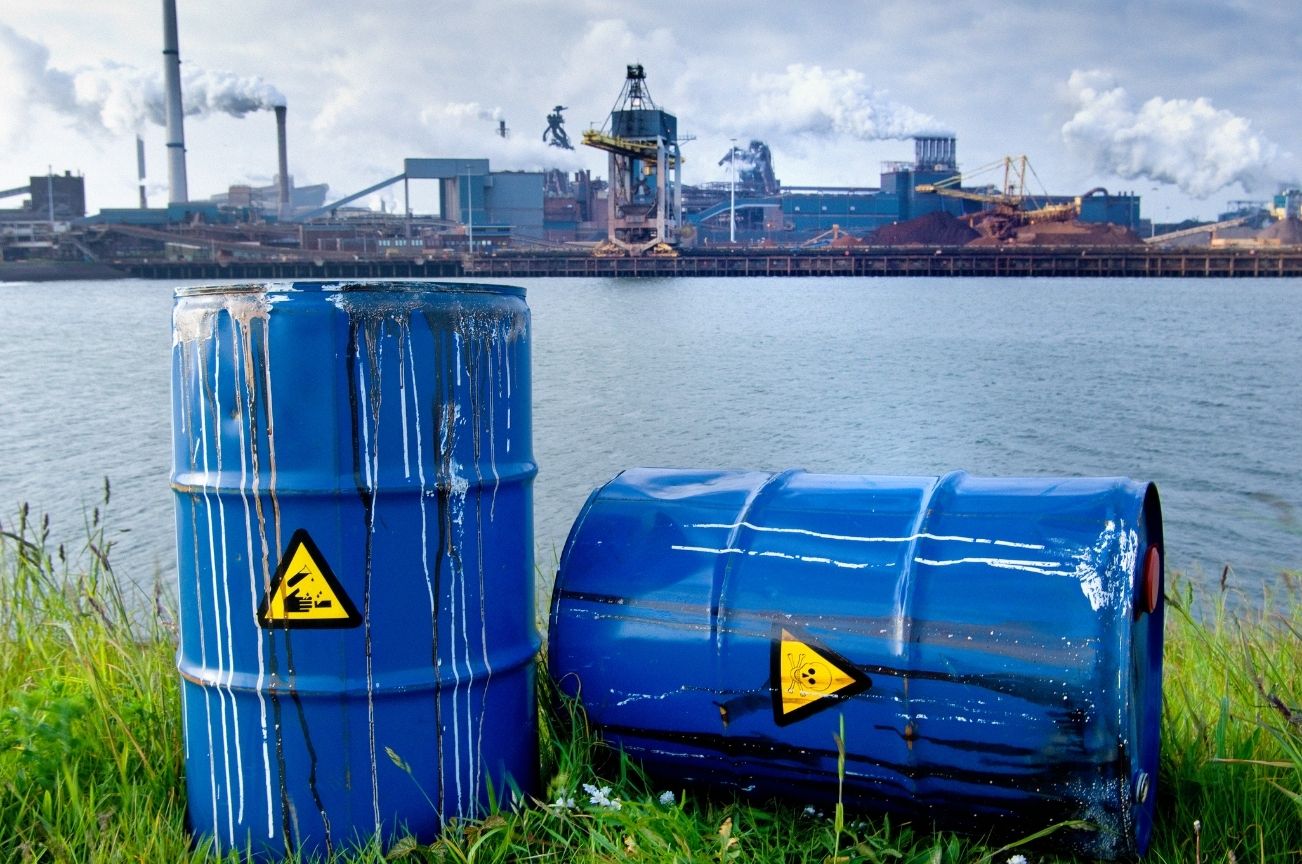
Chemical waste hauling is a vital aspect of responsible waste management, particularly in industries that handle hazardous materials. Given the complexities and legal requirements surrounding this process, it’s crucial for businesses to understand the ins and outs. This guide will answer your Chemical Waste Hauling FAQs and delve into relevant points about Hazardous Waste Transportation, Contaminated Waste Hauling, and general Waste Management Questions.
Introduction
Chemical waste is any material that can harm the environment or human health if not handled properly. This includes substances like solvents, heavy metals, and even certain pharmaceuticals. Proper chemical waste hauling is critical because improper disposal can lead to serious health risks, environmental degradation, and hefty legal penalties.
Understanding the importance of safe chemical waste transportation can help organizations protect their employees and communities. Not only does it minimize the risk of contamination, but it also ensures compliance with numerous regulations. Adhering to local, state, and federal laws is not just a legal obligation; it reflects a company’s commitment to sustainability and responsibility.
Failing to follow these regulations can result in severe outcomes. Businesses may face fines, damage their reputation, and potentially harm the public’s health. Therefore, recognizing the essence of safe and compliant chemical waste hauling is paramount for all industries involved in handling hazardous materials. An informed approach to waste management fosters trust and safety while contributing to environmental conservation.
Understanding Chemical Waste
Chemical waste refers to any waste material that contains hazardous substances. These materials can pose risks to human health and the environment. Businesses must recognize the various types of chemical waste to manage it effectively.
Types of Chemical Waste
Chemical waste can be classified into several categories:
Organic Waste: This includes substances derived from living organisms, such as solvents, pesticides, and certain pharmaceuticals. Organic waste often requires specific handling due to its flammability and toxicity.
Inorganic Waste: Composed of non-organic materials, this includes metals like lead and mercury, as well as salts and acids. Inorganic waste can be harmful, especially if it contaminates water supplies.
Radioactive Waste: Produced mainly by nuclear facilities, hospitals, and research labs, radioactive waste must comply with strict regulations. Safe disposal of radioactive materials requires specialized handling and storage.
Special Hazardous Waste: This includes materials like asbestos and certain electronic waste. These substances require particular attention due to their harmful effects on health and the environment.
Industries Producing Chemical Waste
Many industries generate chemical waste, including:
Healthcare: Hospitals and clinics produce medical waste, including contaminated sharps and pharmaceuticals. Proper disposal is crucial to prevent infections and contamination.
Manufacturing: Factories use hazardous materials in production, leading to liquid and solid hazardous wastes. Efficient management ensures workplace safety and compliance with regulations.
Laboratories: Research facilities often handle various chemicals, including toxic and flammable substances. Labs must adopt stringent safety protocols for waste disposal.
Understanding the different types of chemical waste and the industries responsible for them helps businesses approach waste management responsibly. By doing so, they protect both their operations and the environment. This awareness is the first step toward effective chemical waste hauling, ensuring compliance with regulations and promoting safety at all levels.
Why Proper Chemical Waste Hauling Matters
Improper chemical waste disposal can lead to significant health and environmental risks. When hazardous materials are incorrectly discarded, they can contaminate soil, water, and air. This contamination poses serious health threats to both humans and wildlife. For instance, exposure to toxic chemicals can result in acute or chronic health issues, including respiratory problems, skin irritation, and even long-term diseases like cancer. Thus, correctly handling chemical waste is not just a regulatory requirement; it’s a matter of public safety.
Regulatory Compliance
In the U.S., various federal and state regulations govern chemical waste hauling. The Resource Conservation and Recovery Act (RCRA) and the Department of Transportation (DOT) set strict guidelines for transporting hazardous waste. Companies must adhere to these regulations to avoid hefty fines and prevent the mishandling of hazardous materials. Compliance includes proper labeling, packaging, and documentation of waste. Failing to meet these standards can lead not only to legal headaches but also to significant operational disruptions.
Legal Repercussions
Mishandling chemical waste can have severe legal consequences. Businesses may face lawsuits, significant fines, and potential criminal charges. In some cases, individuals responsible for violations may even face jail time. These repercussions aren’t just punitive; they can also tarnish a company’s reputation. Clients and consumers today prioritize environmentally responsible practices. A single misstep can lead to loss of business and trust, compromising future opportunities.
Chemical Waste Hauling FAQs
Navigating the world of chemical waste hauling can feel overwhelming. Many questions arise concerning regulations, safety measures, and best practices. Here, we break down the most commonly asked questions to clarify this essential service.
What is Chemical Waste Hauling?
Chemical waste hauling involves the transportation of hazardous materials from generators to disposal or treatment facilities. This service ensures that dangerous waste is handled correctly. Using licensed waste haulers is not just a good idea; it’s essential. They are trained to handle, transport, and dispose of chemical waste safely.
How is Chemical Waste Transported?
Chemical waste is typically transported in specialized containers or tankers designed for hazardous materials. These vehicles are equipped with safety features like spill containment systems. Haulers follow strict protocols during transit to minimize risks. Moreover, communication between the hauler and the disposal facility is critical to ensure safe delivery.
What are the Regulations for Hazardous Waste Transportation?
Multiple regulations govern hazardous waste transportation, including the Resource Conservation and Recovery Act (RCRA) and Department of Transportation (DOT) guidelines. Compliance is not just important; it’s mandatory. Understanding these regulations helps businesses avoid penalties and ensures safe handling practices.
How are Contaminated Waste Materials Classified?
Contaminated waste is classified based on specific criteria, including its chemical composition and potential hazards. An assessment is usually done by professionals who test the waste. This process ensures accurate classification and proper handling throughout the disposal process.
What Documents are Required for Chemical Waste Haulage?
Proper documentation is essential for chemical waste hauling. Required paperwork includes manifests, which track waste from the generator to the final disposal site, and Safety Data Sheets (SDS), which provide information on handling and risks associated with specific substances. Inaccurate documentation can lead to significant regulatory issues, so maintaining accuracy is crucial.
How Can Businesses Ensure Safe Chemical Waste Hauling?
Businesses can take several steps to ensure safe chemical waste hauling. First, they should train employees on safety measures and compliance protocols. Second, preparing waste correctly—by labeling and stabilizing materials—is vital. Implementing these best practices helps reduce risks associated with chemical waste handling.
What Should Businesses Look for in a Waste Hauling Service?
Finding the right waste hauling service can significantly impact safety and compliance. Key qualities to look for include proper certifications and a proven track record. Experience in handling specific types of chemical waste is also valuable. A strong reputation in the industry indicates reliability and adherence to regulations.
By understanding these key aspects of chemical waste hauling, businesses can thrive in compliance and safety, making significant strides toward better waste management practices.
Special Considerations for Specific Industries
When it comes to chemical waste hauling, different industries face unique challenges. Each sector has specific requirements to ensure safe and compliant waste management. Let’s explore some key industries and the best practices they should adopt.
Healthcare Sector
The healthcare industry generates a variety of hazardous waste. This includes:
- Pharmaceuticals
- Pathological waste
- Chemicals from laboratories
Handling these materials requires strict adherence to regulations. Healthcare facilities must ensure that they:
- Use certified waste haulers who specialize in medical waste.
- Keep detailed records of waste disposal, including manifests and tracking documentation.
Best Practice
Regular training for staff on handling hazardous materials can prevent accidents. It also ensures compliance with regulations.
Manufacturing Industry
Manufacturers often produce waste that includes chemicals, heavy metals, and solvents. These materials pose significant risks to human health and the environment if not managed properly. Companies in this sector should:
- Conduct regular audits of chemical waste output.
- Implement waste minimization strategies to reduce hazardous waste generation.
Laboratories
Laboratories handle a diverse range of chemical waste. This includes reactive and toxic substances. The complexity of their waste types requires specific management practices. Key considerations include:
- Proper labeling of all chemical containers to avoid mishandling.
- Immediate segregation of hazardous from non-hazardous waste.
Waste Management Questions
Proper chemical waste management is crucial for protecting public health and the environment. It’s not just a regulatory requirement; it’s a responsibility that every business must uphold. Below, we address some of the most pressing questions regarding the disposal of hazardous materials.
How Should Businesses Dispose of Unused Chemicals?
Disposing of unused chemicals requires precise protocols. Businesses should begin by assessing their inventory to identify outdated or excess chemicals. Follow these crucial steps:
Consult Regulations: Always check local, state, and federal environmental regulations. These regulations dictate how to handle, store, and dispose of chemicals responsibly.
Use Licensed Waste Haulers: Engage a licensed waste hauler for proper disposal. These professionals have the expertise to manage hazardous materials in accordance with legal requirements.
Recycling Options: Explore the possibility of recycling some chemicals. Many substances can be reclaimed and reused, which minimizes waste and promotes sustainability.
Documentation: Maintain accurate records of your disposal processes. This documentation includes manifests and safety data sheets (SDS).
Ignoring proper disposal methods can lead to severe consequences, including hefty fines and legal ramifications. Additionally, improper disposal poses significant risks to public health and the environment.
Key Steps for Chemical Disposal
- Inventory Assessment: Identify outdated or excess chemicals.
- Regulatory Compliance: Stay informed on relevant regulations.
- Professional Help: Utilize licensed waste haulers.
- Recycling: Consider reclaiming chemicals.
- Record Keeping: Document all disposal activities.
What Are the Consequences of Ignoring Chemical Waste Policies?
Neglecting chemical waste policies can result in severe and far-reaching repercussions. Here are the key consequences businesses might face:
Legal Action: Regulatory bodies impose strict penalties on organizations that mishandle chemical waste. Violating laws such as RCRA can lead to costly fines.
Environmental Damage: Improper disposal can seriously harm ecosystems and public health. Contaminated soil and water sources may lead to long-term ecological damage.
Reputation Risks: Companies that fail to comply with chemical waste policies risk damaging their reputations. Today’s customers and partners increasingly value environmental responsibility.
Operational Disruptions: Non-compliance may lead to shutdowns or interruptions in business operations while legal issues are addressed.
Real-World Implications
A notable case involved a manufacturing firm that faced significant penalties after improperly disposing of hazardous waste. This situation resulted not only in financial loss but also in lasting damage to their industry reputation.
By understanding these waste management questions, businesses can take proactive steps toward compliance. Staying informed about regulations helps avoid potential pitfalls while promoting a safer work environment.
The Future of Chemical Waste Management
As we forge ahead, the landscape of chemical waste management is evolving. Several exciting innovations are emerging, transforming how we handle chemical waste hauling and disposal. Staying informed about these trends is crucial for businesses committed to sustainability and compliance.
Innovations in Chemical Waste Hauling
Recent technological advancements are reshaping the chemical waste hauling process. Companies are now utilizing automation and data analytics to streamline operations. For example, GPS tracking systems allow for real-time monitoring of waste transport. This capability enhances safety and accountability, ensuring that waste reaches the right destination without delays.
Furthermore, advancements in waste treatment technologies are improving recovery rates. Methods like plasma arc and advanced oxidation technologies help treat chemical waste more efficiently. By converting waste into reusable materials, businesses can minimize their environmental impact and lower disposal costs.
Trends in Waste Management Regulations
Regulatory frameworks are not stagnant; they evolve to meet the growing demands for environmental sustainability. Recently, several jurisdictions have updated their hazardous waste regulations. These updates aim to enforce stricter monitoring and reporting requirements.
For instance, the rise of Extended Producer Responsibility (EPR) policies places more responsibility on manufacturers. Under these regulations, businesses must manage the entire lifecycle of their products, including end-of-life disposal. Companies are urged to adopt greener alternatives and take more proactive measures in waste management.
Sustainability Efforts
A significant trend in the future of chemical waste management is the focus on sustainability. Industries are increasingly recognizing the benefits of adopting eco-friendly practices. This shift includes reducing waste generation through process optimization and investing in biodegradable alternatives.
Moreover, sustainability certifications are gaining importance. Many companies seek recognition for their efforts in minimizing chemical waste impact. These certifications not only enhance a company’s reputation but also attract environmentally-conscious consumers.
In conclusion, the future of chemical waste management is promising. Innovations in hauling technologies and evolving regulations signal a move toward more efficient and sustainable practices. By embracing these changes, businesses can contribute to a safer environment while maintaining compliance in their operations.
Conclusion
Understanding and implementing proper chemical waste hauling is not just about following regulations. It’s about protecting human health and the environment. When businesses manage chemical waste effectively, they mitigate risks associated with hazardous materials. Moreover, they contribute to a sustainable future, which benefits everyone.
Compliance with local, state, and federal regulations is crucial. Failing to adhere to these guidelines can lead to serious legal repercussions, hefty fines, and reputational damage. Therefore, businesses must stay informed about current laws and best practices. Regular training for employees and staying updated with industry changes can safeguard your company against costly mistakes.
Implementing effective waste management procedures is a shared responsibility. Companies should prioritize hiring licensed waste haulers who demonstrate experience and certifications. This not only ensures compliance but also promotes safe and efficient waste transport.
In conclusion, businesses must adopt a proactive approach towards chemical waste hauling. It’s essential to integrate sustainability into daily operations. By keeping informed and committed to best practices, organizations can achieve their environmental goals while ensuring safety and compliance. Let’s work together for a cleaner, safer future!


