
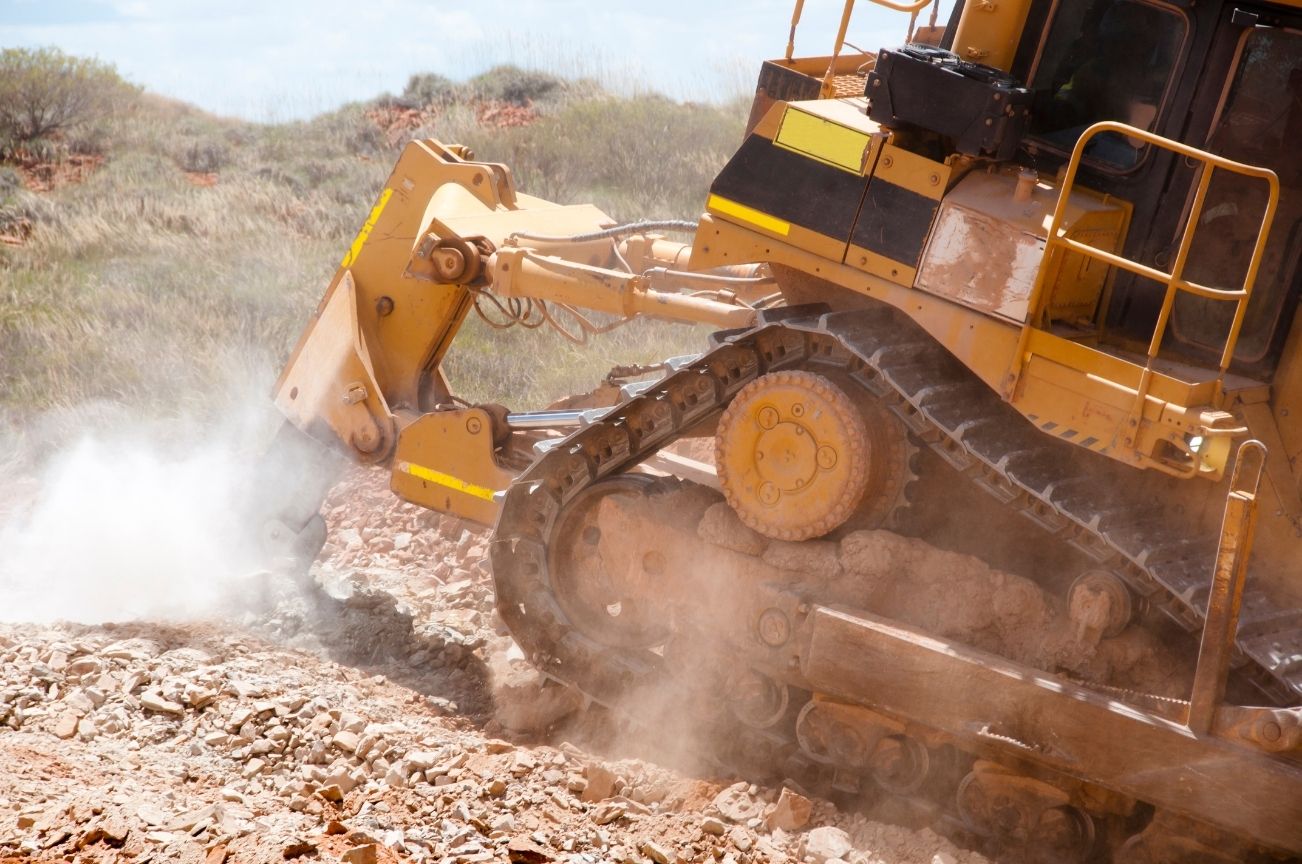
Heavy equipment earthworks are crucial in construction projects, but there are pitfalls that can derail the whole operation. From bulldozing errors to significant construction mistakes, knowing what to avoid is essential. Here you’ll find key insights on common blunders and how to sidestep them.
Introduction
Heavy equipment earthworks play a vital role in construction projects. When done correctly, they create a solid foundation for any structure. However, missteps in this phase can lead to costly delays and safety hazards. Understanding these processes is essential for project success.
Importance of Avoiding Mistakes
Avoiding mistakes in earthworks cannot be overstated. Each stage demands careful planning and execution. Consider the following points:
- A single oversight can derail timelines.
- Mismanagement can inflate budgets.
- Safety risks may escalate, endangering workers and equipment.
Key Factors for Success
From bulldozing to soil assessment, everyone involved must be vigilant. Mistakes in this area affect not only project outcomes but also the safety on-site.
What You’ll Learn
In this article, we will explore five common mistakes that often occur in heavy equipment earthworks. By identifying these pitfalls, you’ll be better equipped to sidestep them.
Let’s dive into the first mistake, so you can enhance your bulldozing services and improve your overall project management skills.
1. Inadequate Site Preparation
Site preparation sets the foundation for any successful earthmoving project. Failing to adequately prepare the site can lead to delays, cost overruns, and safety hazards. Understanding your site’s unique characteristics is crucial before any bulldozing begins.
Understanding Site Preparation
Site preparation involves assessing the site’s conditions before you start work. This means checking for drainage issues, slope stability, and existing vegetation. You need to gather all essential data to move forward successfully. Without this groundwork, you risk running into unexpected complications that may hurt your project.
Common Site Issues
Several issues can arise during site preparation. One significant problem is drainage. Poor drainage can cause flooding, leading to work stoppages. Topographical challenges also come into play. If the ground is uneven or poorly graded, bulldozing becomes more complex and time-consuming. Ignoring these factors can have long-term impacts on the project.
Preventive Measures
To avoid costly setbacks, take time for thorough site assessment. Use surveying tools to map out drainage patterns and topographical features. Identify potential hazards early on to establish a clear action plan. Consider engaging a geotechnical engineer for a deep dive into soil conditions, which can help in planning for load-bearing capacity.
Furthermore, create a checklist that covers all preparation steps. This ensures no crucial detail gets overlooked. Involve your team in the site evaluation process, as they can provide valuable insights. Regular updates and reviews help maintain a clear understanding of the site conditions.
With diligent preparation, you pave the way for a smoother, more efficient earthmoving process. Proper site preparation not only mitigates risks but also enhances team coordination. Make this a priority, and your bulldozing services will benefit significantly.
2. Miscalculating Soil Conditions and Load-Bearing Capacity
Understanding soil conditions is vital in heavy equipment earthworks. Different soils behave differently under weight and pressure. If you overlook or misinterpret these characteristics, you could face serious setbacks.
Understanding Soil Types
Soil types fall into several categories: clay, sand, silt, and loam among others. Each type has unique properties. For instance, clay retains water and can become unstable. Sandy soil, on the other hand, drains quickly but offers less support. A thorough understanding of these properties can save you from costly mistakes later.
Impact of Soil Conditions
Ignoring soil conditions can lead to major issues. For example, if the ground can’t support the weight of heavy equipment, it might shift or settle unexpectedly. This could cause machinery to tip over or lead to cave-ins, jeopardizing both safety and project timelines. Additionally, incorrect assessments can lead to foundation failures, resulting in rework and increased costs.
Best Practices
To ensure accurate evaluations, follow these best practices:
Conduct Soil Tests: Before commencing any project, conduct soil tests. This includes sampling and analyzing soil layers. Ideally, do this several feet deep to get a comprehensive view.
Consult Geotechnical Engineers: These professionals specialize in soil behavior. Their insights can guide your decisions and provide a clear understanding of load-bearing capacity.
Use Technology: Employ tools like soil moisture sensors and stability analysis software. They can help assess conditions on-site in real-time.
Continuous Monitoring: Soil conditions can change with weather or construction activities. Regular monitoring can help you adapt plans as needed.
By understanding soil types and conditions, you can make informed decisions. This knowledge significantly mitigates risks associated with heavy equipment operations. Informed planning not only helps avoid delays but also ensures safer, more successful projects.
3. Ignoring Safety Protocols in Heavy Equipment Earthworks
Safety is paramount in heavy equipment earthworks. The risks involved in bulldozing and earthmoving are substantial. Failing to prioritize safety can lead to severe injuries and project delays. Let’s explore why safety matters and how to forge a solid protocol.
Importance of Safety in Heavy Equipment Earthworks
Heavy machinery operates under intense conditions. Large bulldozers, excavators, and graders can be dangerous without proper safety measures. Accidents can happen quickly, turning a routine job into a life-threatening situation. By prioritizing safety, you:
- Protect your workers.
- Ensure projects remain on track.
Prioritizing safety is not just a guideline; it’s a necessity for successful operations in this field.
Common Safety Oversights
Some of the most frequent safety mistakes include:
Neglecting Personal Protective Equipment (PPE)
Ensure every team member wears appropriate safety gear. Hard hats, gloves, and steel-toed boots should be mandatory.Failing to Conduct Safety Inspections
Regular checks on equipment ensure everything is in working order. A minor issue could lead to significant accidents.Ignoring Communication Protocols
Without clear communication, misunderstandings can lead to dangerous scenarios. It’s vital to establish a communication plan before starting work.- These oversights may seem minor but can result in catastrophic consequences.
Creating a Safety Plan
A comprehensive safety plan is essential. Here are steps to establish one:
Identify Risks
Analyze the specific hazards associated with your project. Be proactive in assessing what could go wrong.Implement Training Sessions
Regularly train your team on the latest safety protocols. Keep everyone updated on equipment use and safety gear requirements.Establish Clear Procedures
Create specific procedures for various tasks. Make sure every worker understands their responsibilities regarding safety.Encourage Reporting
Foster an environment where team members feel comfortable reporting hazards. Encourage open discussions about safety issues regularly.
By taking these steps, you create a safer work environment. Ultimately, safety should always come first in heavy equipment earthworks. Leadership in safety not only protects your crew but also enhances productivity on-site.
Make safety a cornerstone of your processes to avoid the pitfalls of neglecting it. A commitment to safety benefits everyone involved.
4. Using Improper Techniques
Using improper techniques in heavy equipment earthworks can lead to significant inefficiencies and costly mistakes. Whether it’s bulldozing or grading, the right technique makes all the difference.
Common Bulldozing Errors
One of the most prevalent errors in bulldozing is improper blade positioning. Often, operators don’t adjust the blade angle for optimal material movement. This mistake leads to uneven surfaces and wasted time. Another error is overloading the equipment. Excess weight can damage the bulldozer and compromise safety. Additionally, bulldozers are sometimes operated too quickly, reducing precision and increasing the likelihood of mistakes.
Adopting Proper Techniques
Training is key to mastering bulldozing practices. Operators should undergo regular training sessions to stay updated on the latest techniques. They need to understand their specific equipment, which may have unique operating requirements. Learning about the proper use of control levers can greatly enhance efficiency. Simple steps like positioning the blade correctly or maintaining a steady speed improve accuracy and productivity.
Resources for better bulldozing practices abound. Online tutorials, workshops, and hands-on training all contribute to developing skills. Utilizing simulation technology can also help operators practice in a controlled environment.
Case Studies
Consider Project X, where improper bulldozing techniques plagued progress. The crew failed to adjust the blade angle, leading to significant material loss. This oversight resulted in budget overruns and extended timelines. On the other hand, Project Y implemented proper techniques. Well-trained operators adjusted their blade angles and followed best practices. Consequently, they completed the job ahead of schedule and within budget.
By understanding common errors, adopting proper techniques, and learning from past experiences, teams can avoid costly mistakes. Proper bulldozing practices lead to smooth operations and successful projects.
5 Common Mistakes to Avoid in Heavy Equipment Earthworks: Key Insights for Bulldozing Services
Lack of Communication Between Team Members
Effective communication is the backbone of any successful earthworks project. When team members fail to share information, delays and mistakes can happen. Communication issues can lead to misunderstandings about plans, objectives, and safety measures.
Importance of Team Communication
In heavy equipment operations, coordination among team members is vital. Each crew member has a role that impacts the project’s outcome. Poor communication can result in equipment being in the wrong place or tasks being performed out of order. This not only hinders productivity but also poses safety risks.
Signs of Poor Communication
Several indicators signal communication problems on a job site. Here are some common signs to watch for:
- Confusion during Meetings: If team members struggle to understand project goals, communication is lacking.
- Repeated Mistakes: When the same errors occur, it often points to unclear instructions.
- Increased Accidents: A rise in on-site incidents can suggest that safety protocols weren’t effectively communicated.
Recognizing these indicators is the first step toward improving team dynamics.
Creating a Culture of Communication
Building an effective communication culture involves several strategies:
Daily Briefings: Short meetings each morning can set the tone for the day. These can clarify roles, share updates, and address concerns.
Open Communication Channels: Encourage team members to voice concerns or suggestions freely. This can help mitigate small issues before they grow.
Feedback Mechanism: Establish a system for team members to provide feedback. This will promote continuous improvement and strengthen trust among workers.
Training Sessions: Conduct regular workshops on effective communication techniques. This can enhance team skills and foster a positive work environment.
By prioritizing clear communication, bulldozing services can enhance coordination. This ensures a smoother operation while maintaining safety standards. Remember, a connected team is a productive team. Avoid the pitfalls of poor communication, and make sure everyone is on the same page for the success of your earthworks project.
Conclusion
Heavy equipment earthworks present a unique set of challenges. By recognizing and avoiding common mistakes, you can save time and money. Let’s recap the five major pitfalls to steer clear of:
Inadequate Site Preparation: Always assess the site thoroughly. This ensures you identify and address potential issues upfront.
Miscalculating Soil Conditions: Understand your soil type and its load-bearing capacity. Ignoring these factors can lead to serious issues down the line.
Ignoring Safety Protocols: Safety must be a priority. A lapse in safety can have dire consequences, not just for your crew, but for the entire project.
Using Improper Techniques: Adopt proper bulldozing techniques to maximize efficiency and minimize damage. Training is essential for achieving this goal.
Lack of Communication: Foster open communication among team members. Clear dialogue leads to better coordination and fewer mistakes.
To succeed in heavy equipment earthworks, continuous learning is essential. Each project offers lessons that can enhance your skills. Invest in proper training for your team; it pays off in the long run.
As you prepare for your next project, remember these insights. They’ll help you avoid costly pitfalls and ensure project success. Happy bulldozing!


