
Water management is vital in agriculture, impacting crop yield, sustainability, and environmental health. This comprehensive guide covers everything you need to know about creating efficient water management systems on farms, integrating design principles, construction considerations, and strategic planning.
Introduction
Water management sits at the heart of successful farming. It’s about more than just protecting crops; it impacts the sustainability of entire ecosystems and the long-term viability of agricultural practices. Effective water management systems ensure that your crops receive the right amount of moisture, helping maximize yield while minimizing waste.
This guide aims to equip farmers with essential knowledge on effective water management strategies. Whether you operate a small family farm or a larger agricultural enterprise, you’ll find insights to enhance your water management practices.
By the end of this guide, you will understand:
- The components of an efficient water management system.
- Practical steps to assess your farm’s water needs.
- Innovative technologies that can optimize water usage.
Together, let’s explore how you can design and implement effective water management systems tailored to your farming needs, fostering a sustainable future for agriculture.
Understanding Water Management Systems
Water management systems are crucial for any farm. They encompass methods and technologies used to control water resources. This includes capturing, storing, distributing, and using water effectively. In essence, a water management system ensures that every drop is utilized wisely.
The Role of Water Management in Agriculture
Effective water management directly impacts agricultural efficiency. When farmers manage water well, crops thrive. The benefits include:
- Healthy Crops: High-quality crops lead to higher yields.
- Increased Profits: Better productivity translates to improved financial returns.
- Sustainability: Responsible practices protect local ecosystems.
Sustainable water practices reduce runoff and prevent erosion, contributing to long-term ecological health.
However, farmers face many challenges related to water management. These challenges include:
- Unpredictable weather patterns
- Increasing drought occurrences
Given these challenges, a reliable water management system becomes essential. It helps farmers adapt to changing conditions while sustaining their yield.
Additionally, efficient water management conserves this precious resource. By optimizing usage, farms can significantly reduce waste. This is vital, not just for the farm but also for the surrounding community and the environment. Responsible water practices ensure future generations can benefit from agriculture.
How to Design an Effective Water Management System
Designing a suitable water management system begins with assessing water availability. Here are some key steps to take:
Assess Geography and Climate: Understand how your location influences water access.
Analyze Crop Types: Different crops have specific water needs.
Integrate System Components:
- Rainwater Harvesting: Captures excess rain for future use.
- Irrigation Techniques: Employ efficient watering methods to optimize use.
- Water Storage Solutions: Ensure adequate supply during dry spells.
Each component plays a crucial role in your overall strategy. For instance, rainwater harvesting can reduce dependence on groundwater, leading to more sustainable practices.
Assessing Water Needs on the Farm
To design an effective water management system, understanding your farm’s water needs is crucial. This involves analyzing several key factors that influence how much water your crops require. Let’s break down these factors.
Crop Types and Water Needs
Different crops have varied water requirements. For instance, leafy greens typically need more water than grains like wheat. Always consider the specific needs of your crops. Research the optimal moisture levels for each type. This knowledge helps in planning your irrigation schedule effectively.
Soil Moisture and Drainage
Soil characteristics significantly affect your water management strategy. First, assess the soil’s moisture retention capacity. Sandy soils drain quickly but hold less water, while clay soils retain moisture longer. Use moisture sensors or simple tests to understand your soil better. Additionally, good drainage systems prevent waterlogging, ensuring that plants thrive.
Seasonal Rainfall Patterns
Understanding local weather patterns is essential. Track rainfall averages and seasonal changes in your region. For example, if your area experiences a dry season, you might need to implement more robust irrigation. Gathering historical weather data will help you prepare and adjust your water system accordingly.
Techniques for Assessing Water Requirements
There are several effective techniques to evaluate your water needs.
Soil Moisture Sensors: These devices help gauge soil moisture levels in real-time. By placing them strategically around your farm, you get accurate readings of when to irrigate.
Crop Water Use Models: Utilize models that predict water requirements based on plant growth stages, temperature, and humidity levels.
Evapotranspiration (ET) Measurements: ET is the sum of evaporation and plant transpiration. Using local ET data helps estimate when and how much water to apply.
Regularly assessing these factors allows you to tailor your water management approach. This adaptability not only conserves water but also enhances crop health and yield. By staying informed on water needs, you can make more sustainable choices, benefiting both your farm and the environment.
Water Systems Design: Key Considerations
Designing a water management system requires careful planning and thoughtful consideration. Each farm is unique, with distinct crops, terrains, and climates. Here are the essential elements to focus on during the design process.
Infrastructure Layout
Begin by mapping out your farm. Visualize how water will flow through your land. It’s crucial to understand the topography and any natural drainage patterns. You want to ensure that water reaches all areas efficiently. Consider where you’ll place pipes, reservoirs, and pumps. A well-thought-out layout minimizes water loss and maximizes crop coverage.
Water Sourcing Options
The next step is identifying your water sources. Farms can utilize several water supplies:
Rainwater: Harvesting rain is an excellent option. Install gutters and storage tanks to capture runoff. This method can significantly reduce dependency on other sources.
Groundwater: Wells provide a reliable source, especially in dryer climates. However, be aware of local regulations and sustainable practices to avoid over-extraction.
Surface Water: Streams, lakes, or rivers can serve as good water sources. Ensure you have the correct permits to use this water, and think about how to protect these bodies from contamination.
Storage Capacities
Storage is a vital aspect of any water management system. The goal is to collect enough water to sustain crops throughout dry periods. Assess your farm’s capacity to store water and determine how much you need. Install tanks, ponds, or reservoirs to hold excess water. This strategy acts as a buffer during droughts and helps in efficient water distribution.
Collaborating with Experts
Finally, don’t hesitate to involve experts in the design process. Water management specialists can provide valuable insights tailored to your farm. They can advise on regulations, system optimization, and sustainable practices. Teaming up with professionals ensures your design is efficient and effective.
Implementing these key considerations will lay a robust foundation for your water management system. A well-designed approach promotes sustainability while ensuring your crops receive the water they need to thrive. With these elements in mind, you’re one step closer to an effective water management strategy on your farm.
Components of an Effective Water Management System
To create an effective water management system for your farm, focus on three vital components: irrigation systems, water storage solutions, and distribution networks. Each plays a crucial role in ensuring efficient water usage while maximizing crop yield and sustainability.
Irrigation Systems
Irrigation is central to water management. Various systems exist, and your choice can directly impact efficiency:
Drip Irrigation: This system delivers water directly to plant roots, reducing evaporation and runoff. It’s perfect for high-value crops and areas with limited water.
Surface Irrigation: This traditional method involves flooding fields with water. While it’s cost-effective, it can lead to uneven distribution and water loss through evaporation.
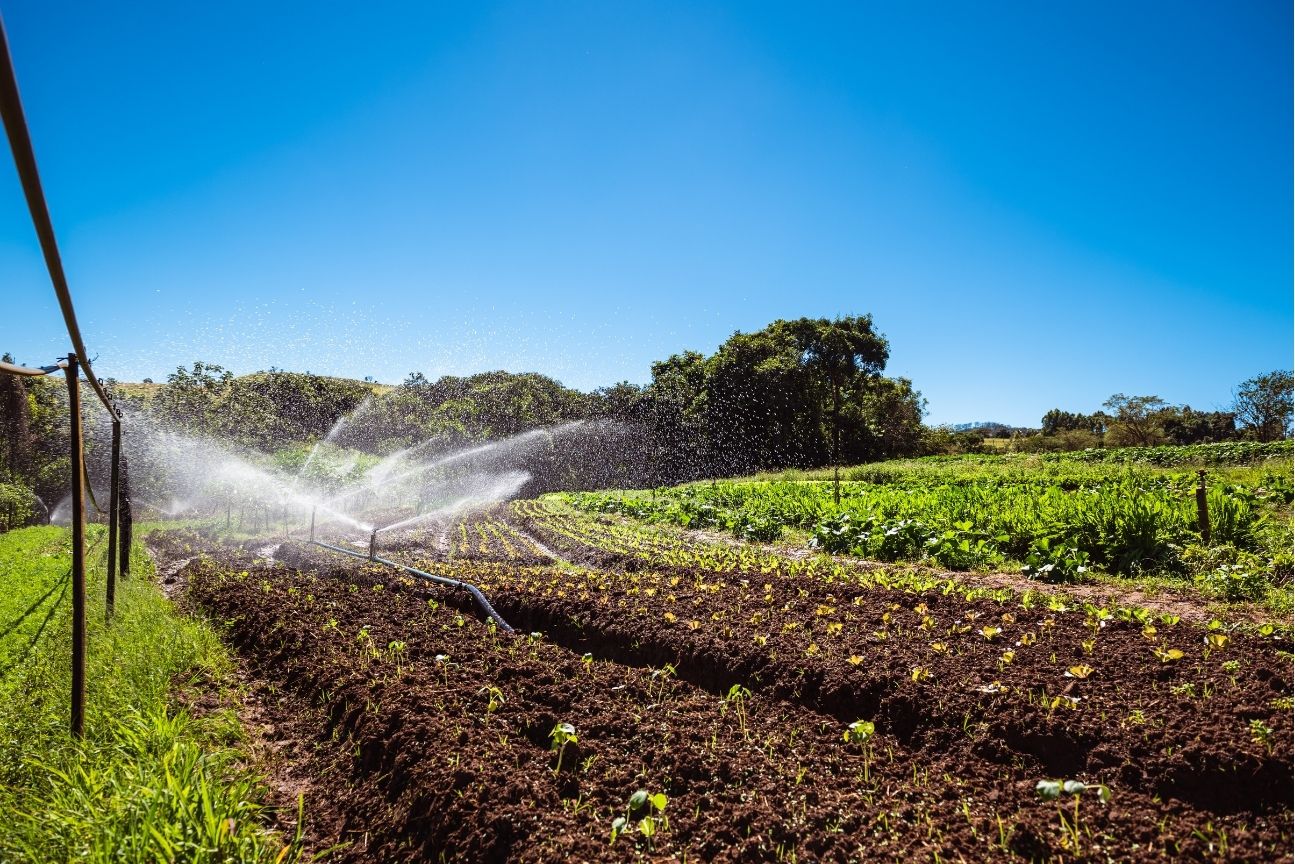
Sprinkler Systems: These systems mimic rainfall by spraying water over crops. They are versatile and can cover large areas but may require more energy for operation.
Each system has unique benefits and drawbacks. Evaluate your farm’s specific needs when choosing an irrigation system.
Water Storage Solutions
Water storage is essential, especially in regions prone to drought. Here are some common storage options:
Tanks: These are a common choice for storing collected rainwater and pumped groundwater. Ensure they are covered to prevent evaporation and contamination.
Ponds: Constructing a pond can store significant amounts of water. However, regular maintenance is crucial to prevent algae growth and keep water quality high.
Reservoirs: Larger reservoirs can store water over extended periods. They require careful design and management to balance supply and demand.
Proper water storage solutions help you manage your resources wisely, ensuring water availability during dry spells.
Distribution Networks
Efficient distribution networks are the backbone of any water management system. Here’s what to consider:
Network Design: Plan your distribution layout to minimize water loss and ensure even coverage. Consider the distance from your water source to fields when designing your network.
Pumps: Use energy-efficient pumps to move water from storage to crops. Regular maintenance is vital to keep these systems running smoothly.
Piping Solutions: Choose durable, weather-resistant piping. Proper pipe sizing prevents leaks and ensures that water reaches every part of your farm efficiently.
By investing in a well-designed distribution network, you can optimize water use, enhancing both crop production and sustainability.
Crafting a water management system tailored to your farm’s specific needs involves careful consideration of irrigation methods, storage options, and distribution networks. These components work together to conserve water, support healthy crops, and promote sustainability on your farm.
Agricultural Construction: Best Practices
Constructing effective water management infrastructure requires careful planning and execution. Adhering to best practices maximizes efficiency and minimizes environmental impact. Here’s what to consider during construction.
Compliance with Local Regulations
Compliance is non-negotiable. Before starting, familiarize yourself with local regulations regarding water use and construction. These laws may dictate how you manage water resources, protect waterways, and handle waste. Ignoring them can lead to hefty fines and project delays. It’s wise to consult local agricultural extension offices or environmental agencies for guidance.
Erosion Control Measures
Erosion is a common issue in water management infrastructure. It can result in significant soil loss and sedimentation in water bodies. Implementing erosion control measures during construction is crucial. Use silt fences, vegetation, and terracing to stabilize soil and protect waterways. These measures not only preserve your land but also promote sustainable practices.
Sustainable Construction Practices
Sustainability should be at the forefront of your planning. Choose materials that are durable and sustainable. For instance, opting for recycled materials can reduce your environmental footprint. Furthermore, consider using local resources whenever possible. This approach supports the local economy and minimizes transportation emissions.
Efficient Infrastructure Design
The design of your water management system is critical. Ensure your infrastructure, such as reservoirs and channels, meets planned water needs without excess. For irrigation systems, evaluate the layout to ensure optimal efficiency. This includes minimizing water loss through evaporation and infiltration. A well-designed system can save water and enhance crop yields.
Climate Considerations
Understanding local climate conditions is key. Assess seasonal weather patterns when planning your construction. This knowledge helps in designing systems that can cope with drought or heavy rainfall. By aligning your infrastructure with climate forecasts, you can future-proof your water management system.
Maintenance Accessibility
Lastly, think about maintenance from the outset. Construct your systems for easy access during upkeep. Regular inspections and maintenance prevent larger issues and extend the life of your infrastructure. Include access points for machinery and personnel without disrupting water flow or system integrity.
Implementing Farm Planning Strategies
Integrating water management into your overall farm planning is essential for maximizing efficiency. Start by assessing your specific water needs based on your crops and existing resources. This foundational step aids in aligning your crop choices with available water sources.
Crop Rotation and Water Usage
Crop rotation can significantly influence water needs. Different crops absorb water at varying rates. For example, deep-rooted plants often use less water over time compared to shallow-rooted varieties. By rotating your crops, you can maintain soil health and optimize water usage, thereby reducing overall demand. This strategy also helps prevent nutrient depletion in your fields.
Maximizing Water Efficiency
Soil management plays a crucial role in water conservation. Healthy soil retains moisture better and reduces runoff. Here are some effective strategies:
Mulching: Apply organic mulch to your soil. This keeps moisture in and reduces the need for irrigation.
Cover Crops: Plant cover crops during off-seasons. Their roots enhance soil structure and reduce erosion, leading to improved water retention.
Irrigation Scheduling: Implement a smart irrigation schedule that matches peak water needs with least evaporation. Use moisture sensors to adjust timing based on real-time conditions.
Tech Integration: Leverage technology like soil moisture sensors and weather forecasts for precise irrigation. These tools can provide real-time data, enhancing decision-making and minimizing waste.
Each of these strategies contributes to a more sustainable use of water. Together, they create a holistic approach to farm planning that respects both the crops and the environment.
Monitoring and Maintenance of Water Management Systems
Effective monitoring and maintenance are essential for sustainable water management. They keep your system running smoothly and ensure crops receive the right amount of water.
Importance of Regular Monitoring
Regular monitoring helps you adapt to changing conditions on your farm. It allows you to identify any issues early, such as leaks or blockages. By maintaining tight control over your water system, you can also enhance crop yield and reduce waste. Additionally, monitoring ensures compliance with agronomic best practices and local regulations.
Key Maintenance Practices
To keep your water management system efficient, implement these essential maintenance practices:
Inspecting Irrigation Systems
Start by regularly checking all irrigation components. Look for any signs of wear or damage in pipes, fittings, and emitters. For example, clogged nozzles can severely disrupt water flow. If you find an issue, resolve it quickly to maintain optimal performance.
Cleaning Filters and Valves
Filters and valves play crucial roles in water management systems. Dirty filters can reduce water pressure and flow. Clean them every season to keep your system efficient. Similarly, inspect and clean valves to ensure smooth operation.
Assessing Storage and Distribution Integrity
Finally, evaluate your water storage solutions, such as tanks and reservoirs. Check for leaks or cracks that could waste water or lead to contamination. Also, ensure your distribution network is functioning effectively. Pressure tests can help you identify areas needing attention.
Emphasizing Consistent Practices
Maintaining a consistent schedule for monitoring and service is vital. Doing so will help you stay ahead of potential problems. It also protects your investment in water management systems. With regular attention, your farm can enjoy robust yields and contribute to sustainable agriculture.
In conclusion, active monitoring and dedicated maintenance are cornerstones of effective water management on farms. By implementing these practices, you’ll safeguard your crop’s water needs and optimize resource use. This proactive approach will not only benefit your farm but also promote long-term sustainability in agriculture.
Advanced Technologies in Water Management
In today’s farming landscape, technology plays a pivotal role in enhancing water management practices. Innovative tools and methods not only increase efficiency but also promote sustainability. Below, we explore some advanced technologies that are revolutionizing water management in agriculture.
Smart Irrigation Systems
Smart irrigation systems use sensors and data analytics to optimize watering schedules. These systems assess the moisture levels in the soil, ensuring that crops receive the right amount of water. As a result, farmers can reduce water waste while maintaining healthy plants.
For instance, drip irrigation paired with moisture sensors allows targeted watering at the roots. This method conserves water and maximizes crop yield. By automating irrigation, farmers can also spend less time on manual tasks, allowing them to focus on other critical aspects of farm management.
IoT Sensors and Monitoring
Internet of Things (IoT) sensors are game-changers for water management. These sensors collect real-time data on soil moisture, weather conditions, and water usage. Farmers can access this data through mobile apps, enabling informed decision-making.
For example, if sensors signal dry soil, farmers can adjust their irrigation schedule immediately. This proactive approach prevents over-watering and promotes water conservation. Furthermore, accurate data helps farmers understand crop needs better, resulting in healthier yields.
Drones for Water Assessment
Drones have emerged as valuable tools for water management in agriculture. They can survey large areas quickly, providing aerial imagery of crops and soil conditions. Farmers can use this data to detect areas needing more water or those prone to flooding.
By identifying problem areas, farmers can implement targeted irrigation strategies. This precision not only conserves water but also supports crop health. Drones offer a comprehensive view that traditional methods cannot match.
Benefits of Integrating Technology
Integrating advanced technologies into water management systems offers numerous benefits:
- Increased Efficiency: Automating irrigation reduces water usage, saving both resources and costs.
- Enhanced Crop Health: Precision watering promotes optimal growth conditions, resulting in healthier crops.
- Environmental Sustainability: By conserving water, farms minimize their ecological footprint.
To sum up, advanced technologies like smart irrigation, IoT sensors, and drones are transforming water management on farms. These innovations allow for precision agriculture and improved water conservation, addressing the evolving challenges farmers face today.
Case Studies
Real-world examples provide valuable insights into effective water management systems. They demonstrate different strategies, showcasing successes and challenges. Here, we explore a few case studies that serve as useful references for farmers.
Case Study 1: The EcoFarm Initiative
Location: California
EcoFarm is a nonprofit organization dedicated to promoting sustainable agriculture. They implemented a rainwater harvesting system for local farms. This system captures rainfall from roofs and stores it for irrigation.
Farmers involved reported significant cost savings on water bills. This initiative also fostered a greater connection to the environment.
Case Study 2: Smart Irrigation in Texas
Location: Texas Hill Country
A group of farmers upgraded their irrigation systems to incorporate smart technology. They installed IoT sensors to monitor soil moisture levels. These sensors automatically adjust the irrigation schedule.
Case Study 3: The Integrated Water Resource Management (IWRM) Project
Location: India
In this project, farmers adopted an Integrated Water Resource Management (IWRM) approach. This method coordinates the management of water, land, and related resources. The goal was to promote sustainability.
Conclusion
Designing and implementing effective water management systems on farms is crucial for success. A well-planned strategy enhances crop yields, conserves resources, and promotes sustainability. Throughout this guide, we’ve explored key components, from assessing water needs to advanced technologies. Here’s a recap of what to consider:
Assessing Water Needs: Understanding the specific requirements of your crops is the foundation of any water management system. Seasonal patterns, soil type, and moisture levels all play a role in determining the right approach.
Designing Systems: The layout of your water management infrastructure should facilitate easy access to water sources while minimizing waste. Consider options like rainwater harvesting and efficient irrigation systems tailored to your farm’s unique landscape.
Maintenance and Monitoring: Regular inspections are vital. Keeping irrigation systems clean and functioning ensures optimal water delivery. Pay attention to storage units to provide reliable backup during dry spells.
Adapting with Technology: Embrace modern technologies such as IoT sensors and smart irrigation systems. They allow for real-time monitoring and precise management, which can significantly improve resource usage.
Ongoing Learning: Water management isn’t a one-time task. It requires continuous assessment and adaptation. Stay informed about new practices and solutions in agricultural water management.
As we face increasing climate challenges, the need for effective water management becomes even more critical. By designing robust systems, farmers can ensure resilience against drought and flooding while enhancing productivity. Let this guide serve as a roadmap to achieving a sustainable water strategy. Remember, every drop counts in the journey towards efficient agricultural practices.


