
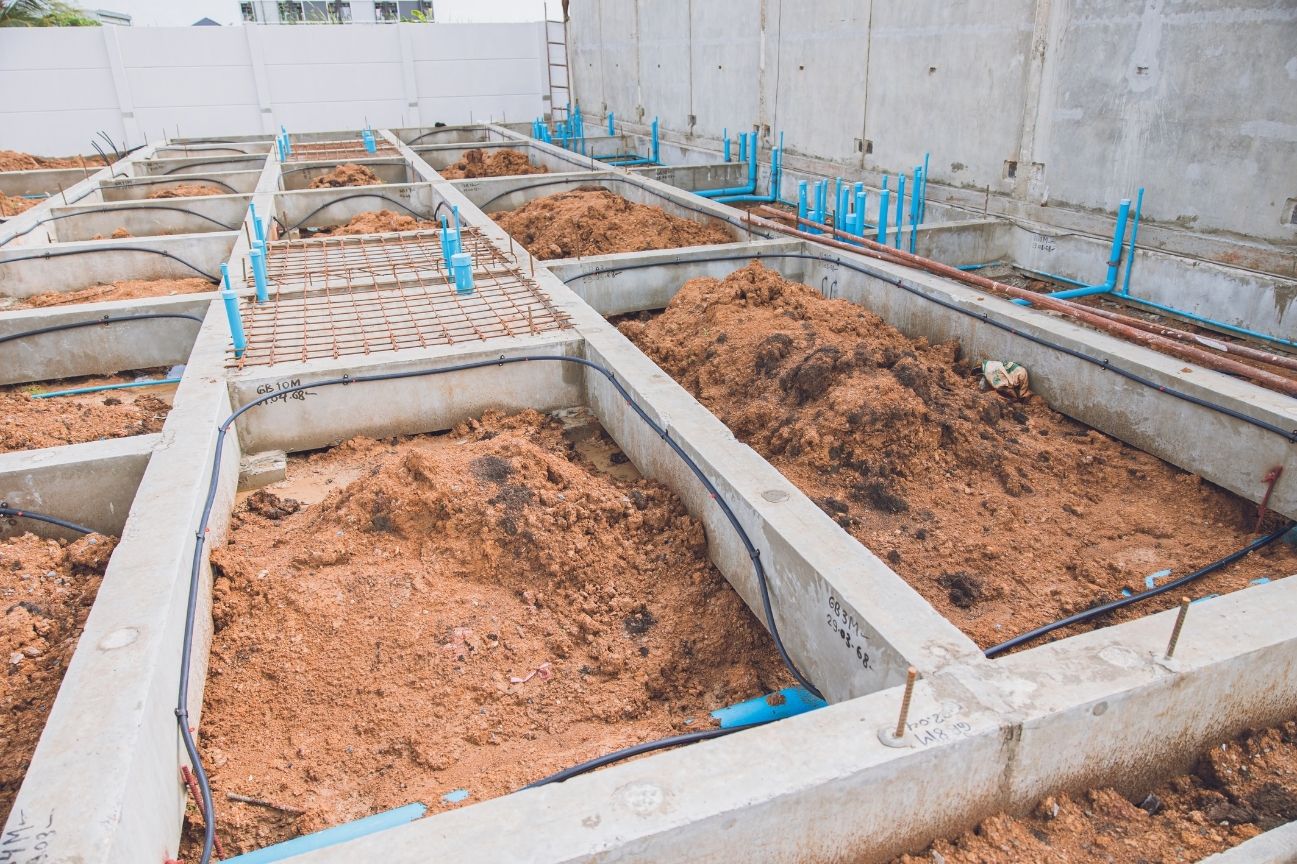
Preparing for foundation development involves meticulous planning and adherence to legal requirements. A well-prepared lease sets the stage for smooth site development and construction processes. This guide outlines every step you need to take for effective lease preparation in foundation development.
Introduction
Lease preparation is a critical step in foundation development. A well-prepared lease provides a solid foundation for your project, both literally and figuratively. Without it, you risk costly delays and legal complications.
In this guide, we’ll walk you through the essential steps for lease preparation. You’ll learn what to include in your lease and how to navigate negotiations. Whether you’re a developer or a landowner, understanding the intricacies of lease preparation is crucial. By the end, you’ll be equipped to create a clear, comprehensive lease that supports your development goals.
Getting started might seem daunting, but with this step-by-step approach, you’ll have the confidence to move forward. Let’s dive into the key aspects of lease preparation and set the stage for your success.
Understanding Lease Preparation
Lease preparation is a crucial step in foundation and site development. It involves drafting a comprehensive agreement between the lessor and lessee. This document establishes the terms under which a property can be used for construction and future operations. A well-prepared lease is essential; without it, projects can face legal issues, misunderstandings, or delays.
Purpose of Lease Preparation
The purpose of lease preparation is to lay a solid foundation for the development process. A clear lease agreement outlines the expectations of both parties, ensuring that everyone understands their rights and responsibilities. This approach minimizes disputes down the line, making the development process smoother.
Benefits of Effective Lease Preparation
Lease preparation provides several key benefits:
- Risk Mitigation: A comprehensive lease reduces the likelihood of legal issues.
- Clarity: Clear terms help both parties understand their obligations.
- Financing Security: Lenders often require a detailed lease as part of due diligence.
Additionally, having a thorough lease aids in securing financing. Lenders often require a detailed lease as part of the due diligence process. A well-structured lease assures them that the project has legal backing, reducing their risk. Furthermore, the lease can assist in coordinating with regulatory bodies, ensuring that the project adheres to local zoning laws.
Importance of a Comprehensive Lease Agreement
A comprehensive lease agreement includes several key components. First, it defines the property being leased. This includes:
- Boundaries,
- Intended use, and
- Applicable zoning regulations.
This clear definition helps prevent potential conflicts about land use.
Next, the lease details the terms of rent and payment schedules. It identifies the financial obligations for both parties, including any maintenance fees or utilities. Being transparent about costs upfront fosters a healthy working relationship.
Key Lease Components
Other essential elements of a comprehensive lease include:
- Property Improvements: Clarifies how alterations can be made and under what circumstances.
- Dispute Resolution: Outlines processes for resolving conflicts.
- Termination Clauses: Details the conditions under which the lease can be terminated.
Including clauses about property improvements is also crucial. It ensures that both parties agree on what changes can be made without compromising property integrity.
Finally, a comprehensive lease facilitates better project planning. By defining all of these components upfront, both parties can avoid confusion and delays. Implementing these terms ensures smooth coordination throughout the development phase. This strategic approach ultimately contributes to the project’s overall success.
Key Components of a Lease Agreement
A lease agreement acts as the backbone of any foundation development project. Understanding its key components is vital. Here’s a breakdown of what to include for a smooth process.
1. Parties Involved
Clearly identify the lessor and lessee in your lease agreement. This step sets the foundation for all future interactions. Ensure that the names and contact information are accurate. Clarity in identification prevents any disputes later. Each party must understand their rights and obligations. Misunderstandings in this section can lead to significant headaches.
2. Property Description
An accurate property description is crucial. Specify the precise location, boundaries, and land usage. This section should cover more than just the address. Include details such as parcel numbers or any easements affecting the property. This clarity avoids potential zoning conflicts and helps all parties understand what’s covered.
3. Lease Term
Define the duration of your lease clearly. Specify the start and end dates. Will you include options for renewal? If so, outline how those negotiations will proceed. A well-defined lease term allows both parties to plan accordingly. It also provides legal protection should either party wish to terminate the agreement prematurely.
4. Rent and Payment Terms
Detail the rent structure in your lease. Specify the amount, payment frequency, and acceptable payment methods. Don’t forget to include any additional fees, such as maintenance costs or utility payments. Transparency in financial obligations prevents misunderstandings. Ensure both parties are on the same page regarding these terms.
5. Use of Premises
Define the specific activities allowed on the premises. This section should comply with local zoning regulations. Be specific about what is permissible and what is not. Clear guidelines help avoid future conflicts and legal troubles. For instance, if commercial activities are allowed, specify the type of business activities permitted.
6. Improvements and Alterations
Clarify the rights related to making changes on the property. Detail the process for seeking approval from the landlord before undertaking any modifications. Include guidelines on what constitutes an improvement versus regular maintenance. This specification helps maintain the property’s integrity and aligns developments with lease expectations.
Understanding these components of a lease agreement creates a strong foundation for your development project. A comprehensive and clear lease protects both parties and promotes a positive working relationship.
Steps for Lease Preparation
Preparing a lease for foundation development involves multiple key steps. Following a structured approach ensures that all elements are addressed. Below are the essential steps to guide you through the lease preparation process.
Step 1: Conduct a Thorough Site Evaluation
Before you finalize any lease agreements, conduct a comprehensive site evaluation. This assessment is crucial for understanding the land you will potentially develop. Consider factors like soil quality, as it impacts foundation strength. Evaluate environmental concerns, such as flood risks or contamination. Also, check zoning laws to ensure your intended use complies with local regulations. A thorough site evaluation will help you make informed decisions.
Step 2: Identify Development Goals
Next, clearly define your development goals. Knowing what you want to achieve will guide your lease negotiations. Are you planning a commercial building or residential units? Align your objectives with the lease terms to avoid future complications. By identifying your goals upfront, you can incorporate necessary clauses that support your project vision.
Step 3: Engage Legal Counsel
Having legal oversight is essential during lease preparation. A knowledgeable attorney can ensure your lease complies with all laws and regulations. Choose someone experienced in real estate and development. They can help you navigate the intricacies of lease agreements, making sure your rights are protected. Investing in good legal counsel saves time and money in the long run.
Step 4: Drafting the Lease Agreement
When drafting the lease, clarity and specificity are key. Every term should be understandable and avoid ambiguity. Outline all responsibilities of both the lessor and lessee. A well-drafted lease minimizes future disputes and clarifies expectations. Include sections on rent, property use, and allowed alterations. Every detail you specify now will prevent headaches later.
Step 5: Review and Revise
Once you draft the lease, review it thoroughly. Pay attention to all details, ensuring they reflect your intentions and agreements. Consider getting feedback from your legal counsel. Revising the document until both parties are satisfied is crucial. This process may take time, but it is essential for ensuring that every aspect of the lease is agreed upon before signing.
Step 6: Negotiation Process
Negotiation plays a significant role in lease preparation. Be prepared to discuss terms with the other party. Familiarize yourself with common points of contention, such as rent amounts or improvement responsibilities. Effective negotiation requires active listening and flexibility. Approach discussions positively, and consider compromises that benefit both parties.
Step 7: Finalizing the Lease
The final step is to finalize your lease agreement. This process involves formal signing by both parties. Ensure that everyone understands their obligations before signing. After signing, record the lease with the appropriate local authority, as this protects your interests. By finalizing the lease correctly, you set a solid foundation for your development project.
Considerations for Foundation Preparation
Preparing for foundation development goes beyond signing a lease. It involves critical steps that set the groundwork for successful construction. This section outlines essential site preparation requirements that should be addressed before any foundation work begins.
Importance of Site Surveys
Before you start any physical work, conduct a thorough site survey. A topographical survey provides crucial data about the land’s contours and features. This information helps identify potential challenges like slopes or drainage issues. Additionally, a land survey clarifies property boundaries. Misunderstandings about boundaries can lead to disputes down the line, so it’s vital to get this right.
Securing the Necessary Permits
Most areas require permits for foundation work. Contact your local zoning office to understand what permits you’ll need. These can include building permits, environmental permits, and sometimes even variances. Not having the required permits can halt your project and result in fines. Ensure you start this process early, as it can take time to secure approvals.
Compliance with Local Regulations
Familiarize yourself with local building codes and regulations. These rules dictate standards for construction safety, design, and environmental impact. Non-compliance with these codes can lead to significant delays or safety risks. Therefore, it’s wise to engage with local authorities early in the preparation process. They can provide guidance that helps you avoid future headaches.
Soil Testing and Analysis
Soil quality can directly affect your foundation’s integrity. Conduct soil tests to determine its composition and stability. This will help you find out if additional reinforcement is necessary. For example, sandy or unstable soils may require different foundation types or added support. Understanding the soil helps you plan effectively, reducing risks during construction.
Environmental Considerations
Assess any environmental factors that might impact your project. This includes potential wildlife habitats or water resources nearby. Environmental studies can reveal hidden considerations like flood zones or protected areas. Address these concerns upfront to avoid complications later in the project.
Navigating Site Development
After successfully preparing your lease, the next crucial step is navigating the site development process. This phase can significantly impact the long-term success of your foundation development project. Understanding the nuances of site development promotes smooth transitions from lease finalization to actual construction.
Understanding Site Development
Site development involves transforming raw land into a usable space ready for structures and facilities. It includes clearing land, grading, installing utilities, and ensuring compliance with regulations. A well-executed site development plan can save your project time and money while minimizing potential legal disputes.
Project Management is Key
Effective project management remains vital during site development. You must establish clear timelines and responsibilities. Coordinate with contractors, engineers, and local authorities. This collaboration ensures everyone understands the project goals, timelines, and requirements. Solid communication prevents misunderstandings that could lead to delays.
Adhering to Timelines
Timeliness is crucial in the construction industry. Adhering to the timeline established during lease preparation is essential. Delays can result from unforeseen circumstances, such as weather conditions or permitting issues. Developing a contingency plan may help mitigate these risks and keep the project on track.
Procurement of Permits
Securing the necessary permits is a fundamental part of site development. This step ensures that your project follows local laws and regulations. Each locality has different requirements. Therefore, always check with local planning departments early in the process. Knowing what permits are required will help you avoid legal issues later.
Importance of Site Surveys
Conducting site surveys is another critical step. Surveys provide valuable data on topography, soil conditions, and existing vegetation. Engage professional surveyors to assess these factors. This data informs your design choices and helps pinpoint areas that may require special attention, such as drainage or foundation stability.
Compliance with Lease Terms
Lastly, remember to stay within the bounds of your lease agreement. Understand the specific provisions regarding land use and required permits. Ignoring these terms may lead to significant challenges, such as fines or delays. Regularly review your lease to ensure compliance throughout the site development phase.
Understanding the Construction Process
Once you finalize the lease agreement, it’s time to dive into the construction process. This phase involves several crucial steps to ensure your foundation development aligns with the lease terms and stays on track.
Planning and Coordination
Before breaking ground, create a detailed construction plan. Outline timelines, budgets, and key milestones. Effective planning helps you foresee potential issues and allocate resources efficiently. Coordinate with your construction team to establish roles and responsibilities clearly. This ensures everyone knows their tasks and deadlines.
Obtaining Necessary Permits
Next, secure all required permits. Check local regulations for zoning, environmental impact, and safety codes. Failing to obtain proper permits can lead to costly delays. Thus, verify that your project complies with all legal requirements and the terms of your lease.
Site Preparation
Site preparation is vital before the actual foundation work begins. Clear the land of any debris, tree roots, or existing structures. Ensure the soil is tested for stability and suitability for construction. This step not only aligns with your lease obligations but also minimizes risks during construction.
Actual Construction of Foundation
Once preparations are complete, you can start constructing the foundation. Follow the approved plans and make sure all work adheres to the lease terms. Engage experienced contractors who understand the importance of quality work. This foundation will support your entire project, so cut no corners.
Compliance with Lease Terms
Staying compliant with lease terms during construction is crucial. Regularly review lease obligations related to construction, such as allowable modifications and maintenance responsibilities. Keep lines of communication open with your lessor to navigate any concerns that may arise.
Regular Inspections
Finally, implement regular inspections throughout the construction process. Schedule these checks to ensure quality and compliance. Document all findings and resolve any discrepancies immediately. This practice builds trust with your lessor and helps maintain project momentum.
By following these steps, you can facilitate a smoother construction experience. Staying organized and compliant will pave the way for a successful foundation development project.
Common Challenges and How to Overcome Them
Lease preparation for foundation development can present several challenges. Understanding these hurdles will help you navigate the process better. Below are some common issues and actionable solutions.
1. Ambiguous Terms
Vague language in a lease agreement often leads to misunderstandings and disputes. To counter this, consider the following solutions:
- Ensure every term is clearly defined.
- Focus on precision while drafting.
- Specify what is included in the lease.
- Outline any restrictions.
- Clearly state the responsibilities of both parties.
2. Compliance with Zoning Laws
Zoning laws play a crucial role in foundation development. Failing to adhere can stall your project. To address this challenge:
- Conduct thorough research on local zoning regulations.
- Consult with local planning authorities early in the process.
- Align your development plan with zoning requirements through proactive planning.
3. Negotiation Disputes
Negotiations can become contentious, especially around rent and property use. To minimize disputes:
- Start negotiations with a clear understanding of your priorities.
- Be open to compromise, but know your limits.
- Ensure clear communication throughout the negotiation process.
4. Unforeseen Costs
Hidden costs frequently arise during the lease preparation process. These can include maintenance fees and utility expenses that may not be clearly outlined. To mitigate unforeseen costs:
- Carefully review the breakdown of costs included in the lease.
- Request transparency regarding any additional fees.
- Budget for potential unexpected expenses to avoid surprises later.
5. Insufficient Site Evaluation
Neglecting a comprehensive site evaluation can lead to issues such as soil instability or environmental problems, affecting foundation strength. To overcome this challenge:
- Conduct in-depth site assessments before finalizing the lease.
- Engage experts to evaluate soil quality and other environmental factors.
- Implementing these measures can prevent costly adjustments during construction.
6. Delays in Finalizing the Lease
Delays can disrupt your project timeline. This often occurs due to back-and-forth communication or missing documentation. To streamline the process:
- Create a checklist of required documents and timelines.
- Ensure all parties are aligned on deadlines.
- Maintain prompt communication to significantly reduce delays.
Conclusion
Lease preparation is a crucial step in foundation development. It ensures that both the lessor and lessee understand their rights and responsibilities. A comprehensive lease agreement helps avoid disputes and sets a clear framework for the project.
Importance of a Well-Crafted Lease
By following the steps outlined in this guide, you’ll be better positioned to engage in a successful foundation development process. Here are key benefits of a well-crafted lease:
- Protection of Interests: Safeguards the rights of both parties.
- Project Support: Aligns the lease with project goals.
- Dispute Avoidance: Minimizes misunderstandings and conflicts.
In summary, a well-prepared lease lays the groundwork for effective site development. Don’t underestimate the power of thorough lease preparation. Instead, view it as an essential investment in your project’s long-term success.


